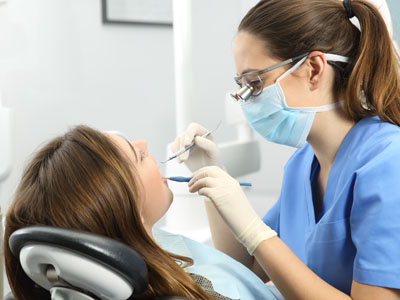
Even the most thorough home care routine can miss hard-to-reach areas where plaque and bacteria accumulate. Professional dental cleanings fill those gaps, removing deposits that remain after brushing and flossing and giving your mouth a level of cleanliness that supports long-term oral health. Regular visits also allow our team to monitor changes, catch early signs of disease, and reinforce habits that keep your smile healthy between appointments.
Plaque is a soft film of bacteria that forms constantly on tooth surfaces; when left undisturbed it mineralizes into tartar (calculus), which cannot be removed with a toothbrush alone. Tartar provides a rough surface where more plaque can cling, increasing the risk of cavities and inflammation of the gums. Professional cleanings remove both plaque and tartar and interrupt this cycle before small problems become more serious.
Beyond teeth and gums, the mouth is an entry point to the rest of the body. Persistent oral inflammation can make daily comfort and eating more difficult, and maintaining a clean oral environment supports overall well-being. Routine cleanings are a proactive measure — they reduce bacterial load, limit gum inflammation, and preserve the structures that support your teeth.
Scheduling regular cleanings also creates an opportunity for monitoring. During each visit, our hygienist and dentist look for subtle changes in gum health, tooth surfaces, and restorations so that care can be adjusted early, when treatments are simpler and more effective. That continuity is one of the most powerful tools for preserving your smile.
A professional cleaning is a careful, methodical process performed by a trained dental hygienist. It typically begins with an evaluation of your mouth — checking gums, tooth surfaces, and any existing dental work. From there, the hygienist uses specialized instruments to remove plaque and tartar from above and just below the gumline, paying close attention to areas that are difficult to reach with home care alone.
Many hygienists use a combination of manual scalers and an ultrasonic scaler. Manual instruments allow precise removal of stubborn deposits, while ultrasonic tools use gentle vibrations and a water spray to break up tartar quickly and flush debris from pockets. After scaling, the hygienist will polish tooth surfaces to smooth rough spots and remove superficial stains, helping teeth look and feel cleaner.
Most patients find routine cleanings comfortable. If sensitivity or anxiety is a concern, topical gels or local anesthetic can be used selectively to minimize discomfort. At the end of the visit, the hygienist will floss between teeth, assess gum health, and share practical tips tailored to your needs so you leave with a clear plan for daily care.
There is no single interval that fits every mouth — while twice-yearly cleanings are a common baseline, some individuals benefit from more frequent visits and others may need specialized periodontal care. Factors like gum health, history of gum disease, medical conditions, tobacco use, and the presence of complex restorations all influence how often a patient should be seen.
For patients showing signs of periodontal disease, our team may recommend an individualized program that includes deeper cleaning below the gumline (scaling and root planing), more frequent maintenance visits, and close monitoring of pocket depths and inflammation. These targeted approaches aim to control bacterial buildup and stabilize gum health over time.
Preventive care is most effective when it fits the person. During your visit, the hygienist and dentist will review your oral health history, evaluate risk factors, and discuss a plan that balances clinical needs with your schedule and goals. This ensures preventive care is both effective and sustainable.
Beyond disease prevention, cleanings deliver immediate, noticeable benefits. Polishing removes surface discoloration from coffee, tea, and other everyday sources, producing a brighter, smoother tooth surface. Removing deposits also reduces the odors and tastes associated with plaque and gum inflammation, leaving breath fresher and more pleasant.
Professional cleanings can extend the life of dental restorations by keeping margins free of plaque and minimizing the forces of decay and gum recession around crowns, bridges, and implants. Combined with routine exams, cleanings help detect early wear or defects so repairs are timely and conservative rather than extensive.
Education is an integral part of prevention. Hygienists demonstrate brushing and interdental cleaning techniques, suggest products that match your preferences and needs, and provide dietary guidance that supports oral health. These practical recommendations empower patients to protect their investment in their smile every day.
At the office of William L. Krell, DDS, MAGD, our team blends decades of clinical experience with a gentle, patient-centered approach. We prioritize comfort and clear communication so every cleaning is efficient, thorough, and tailored to your comfort level. Our goal is to make preventive care straightforward and reassuring, whether you’re maintaining excellent oral health or managing a more complex condition.
We use modern techniques and instruments to deliver precise care while minimizing discomfort. Regular cleanings are part of a coordinated strategy that includes routine examinations and any necessary preventive treatments, all intended to protect your teeth and gums for years to come. Our staff takes time to explain findings and answer questions so you understand the purpose of each step in your care.
In short, professional dental cleanings are an essential element of maintaining a healthy, confident smile. If you’d like to learn more about how cleanings fit into your personal oral health plan or have questions about what to expect at your next visit, please contact us for additional information and guidance.
Plaque is a soft, sticky film of bacteria that forms constantly on tooth surfaces and along the gumline. When plaque is not removed regularly it can mineralize into a hard deposit called tartar, or calculus. Tartar creates a rough surface that encourages more plaque accumulation and makes home cleaning less effective.
Because tartar is firmly bonded to the tooth it cannot be removed with a toothbrush or floss and requires professional instruments. If left in place, tartar increases the risk of cavities and gum inflammation that can progress over time. Professional removal interrupts this cycle and helps restore a cleaner, healthier oral environment.
A comprehensive dental cleaning begins with a focused evaluation of your gums, teeth, and any restorations so the hygienist understands your current oral health status. The hygienist then uses a combination of ultrasonic and manual scaling to remove plaque and tartar from above and just below the gumline, followed by polishing to smooth tooth surfaces and remove superficial stains. The visit usually concludes with flossing, a gum assessment, and a discussion of home care strategies.
If sensitivity or anxiety is a concern topical gels or local anesthetic can be used selectively to make treatment more comfortable. At the office of William L. Krell, DDS, MAGD our team coordinates the cleaning with routine exams so changes are caught early and care is tailored to your needs. Hygienists will also answer questions and recommend specific techniques or products to improve your daily routine.
Routine cleanings are often scheduled every six months as a general guideline, but there is no one-size-fits-all interval. Factors such as gum health, history of periodontal disease, systemic medical conditions, tobacco use, and complexity of restorations influence how frequently you should be seen. Your dental team will evaluate these elements when recommending a schedule.
Some patients benefit from more frequent maintenance visits to control bacterial buildup and inflammation, while others with low risk may need visits less often. Regular, appropriately timed cleanings support early detection of changes and reduce the likelihood of more invasive treatment. Sticking to a personalized schedule helps preserve teeth and supporting tissues over the long term.
Most patients find routine cleanings comfortable and routine, experiencing little or no pain as hygienists work carefully and methodically. If you have sensitive teeth or tender gums the team can use desensitizing agents and gentle techniques to minimize discomfort. Clear communication about sensations during treatment allows hygienists to adjust their approach in real time.
For patients with dental anxiety staff focus on a calm, reassuring environment and explain each step of care so you know what to expect. Topical gels or local anesthesia are available when needed for short procedures that might otherwise cause sensitivity. If anxiety is significant discuss options with your dentist so we can tailor the visit to your comfort.
Professional cleanings remove the bacterial deposits that drive gum inflammation and tooth decay, which helps interrupt disease processes before they advance. By lowering the oral bacterial load and reducing pocket inflammation, cleanings protect the tissues that support your teeth and maintain oral function. This preventive approach preserves both health and comfort over time.
Cleanings are also an opportunity to monitor early signs of disease so treatment can be simpler and more effective. Hygienists provide targeted instruction on brushing and interdental cleaning to address problem areas identified during the visit. Together with exams, cleanings form the backbone of a preventive strategy for long-term oral health.
Professional polishing removes surface stains from coffee, tea, and other everyday sources, producing a brighter, smoother tooth surface. Removing plaque and tartar also reduces the bacteria and inflammation that contribute to unpleasant breath. Many patients notice immediate improvements in freshness and appearance after a cleaning.
Although polishing removes superficial discoloration it is not a substitute for whitening when deeper stains are present, but cleanings prepare teeth for any cosmetic treatments you may pursue. Maintaining cleaner tooth surfaces between visits helps your smile look its best and reduces odor-causing bacteria. Hygienists can recommend products and habits that support longer-lasting freshness.
Dental cleanings help protect crowns, bridges, and implants by keeping margins free of plaque and preventing the inflammation that can compromise surrounding tissues. Deposits that accumulate at restorative interfaces can hide early problems and accelerate tissue breakdown if they are not removed. Regular professional care preserves the integrity and function of restorations.
Cleanings around implants and prosthetics require special attention and appropriate instruments to avoid scratching or damaging materials while effectively removing deposits. Your hygienist will use techniques tailored to the type of restoration and assess areas that need closer monitoring. Consistent maintenance reduces the risk of complications and supports the long-term success of restorative work.
Hygienists commonly use ultrasonic scalers that apply gentle vibrations and a water spray to break up tartar quickly and flush debris from pockets, paired with manual scalers for precise removal of stubborn deposits. Polishing instruments and pastes smooth the tooth surface and remove surface stains, improving both feel and appearance. These tools are used with attention to technique so treatment is effective and comfortable.
In some cases clinicians may use adjunctive aids such as topical desensitizing agents or targeted antimicrobial rinses to address sensitivity or high bacterial loads. Digital tools like intraoral cameras and digital radiography can help document findings and guide treatment when necessary. Care is chosen based on your clinical needs and comfort preferences.
The decision about how often and how deeply to clean a given mouth is made collaboratively by your hygienist and dentist after reviewing your health history and current exam findings. Risk factors like pocket depth, bleeding on probing, smoking, systemic disease, and past periodontal therapy all inform that recommendation. This ensures the plan addresses your specific risk profile rather than following a blanket schedule.
When periodontal disease is present clinicians may recommend scaling and root planing or a more intensive maintenance schedule to control infection beneath the gumline. Follow-up appointments monitor pocket depths and inflammation so the team can modify care promptly if improvement stalls. A personalized program balances clinical effectiveness with practicality for long-term success.
Preparing for your cleaning is simple: arrive with a clear list of any changes to your medical history and a current list of medications so the team can review potential interactions and risks. Brushing and flossing before your appointment improves comfort and lets the hygienist focus on areas that need professional attention. Bring any questions about home care or symptoms you've noticed so the visit is productive.
If you experience dental sensitivity or anxiety let us know ahead of time so we can plan for desensitizers or a gentler approach during the visit. Expect a brief oral evaluation and, when appropriate, discussion of next steps or scheduling for follow-up treatment. Clear communication helps ensure the appointment meets your clinical needs and comfort preferences.

Get in touch with us today!