Dental fillings are more than a quick fix — they restore the shape, strength, and chewing ability of a tooth that has been weakened by decay or injury. By removing decayed tissue and replacing it with a stable restorative material, a filling prevents further breakdown and helps preserve the tooth’s natural role in your bite and smile.
Tooth decay remains a common health concern for people of all ages, and fillings are one of the most frequently performed restorative procedures in general dentistry. When placed with care and modern techniques, a filling can stop disease progression, reduce sensitivity, and return a tooth to comfortable function in a single visit in many cases.
At the office of William L. Krell, DDS, MAGD, we emphasize conservative treatment: preserving as much healthy tooth structure as possible while restoring strength and appearance. That approach helps teeth last longer and keeps future restorative needs to a minimum.
Human attempts to repair teeth date back thousands of years, and archaeological evidence shows early restorative efforts in ancient remains. Over time, dentists and craftsmen experimented with metals, ceramics, and organic materials until more predictable and durable options became available.
The 19th and 20th centuries brought the introduction of metal alloys such as amalgam and gold, which offered durability and relative ease of placement. More recently, advances in adhesive chemistry and ceramic technology have enabled restorations that are both strong and highly aesthetic, allowing fillings to blend seamlessly with natural enamel.
Today’s choices let clinicians balance longevity, appearance, and tooth preservation. Understanding these options helps patients make informed decisions tailored to their oral health and cosmetic priorities.
Every filling begins with a careful examination and diagnosis. We assess the extent of decay, check the surrounding teeth and gums, and consider bite forces and cosmetic goals before recommending a treatment plan. This individualized evaluation ensures each restoration meets functional needs while respecting the appearance of your smile.
Minimally invasive techniques are prioritized: we remove only diseased tooth structure and use adhesive materials that strengthen and seal the remaining tooth. When needed, advanced technologies such as magnification, digital imaging, and precise cutting instruments help us perform restorations with greater accuracy and less discomfort.
Comfort is integral to the process. Local anesthesia is used when appropriate, and we discuss sedation options for patients who experience anxiety. Our goal is to make the procedure efficient, painless, and predictable so you can return to normal eating and smiling quickly.
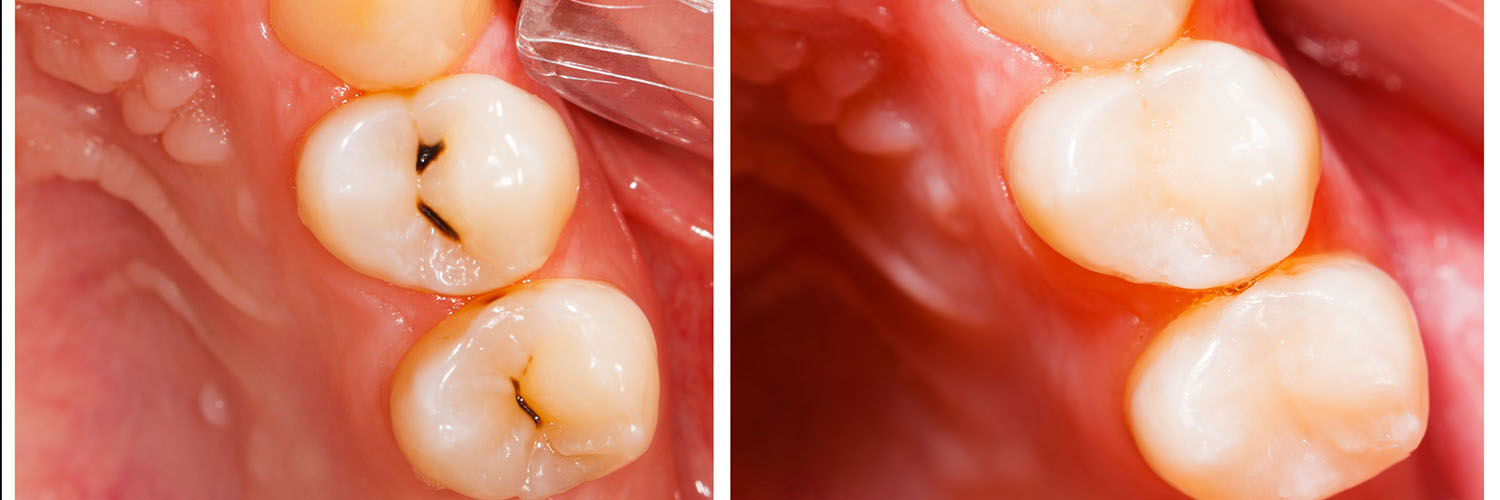
Not all fillings are created equal. Materials used today range from tooth-colored composites to time-tested metals and high-strength ceramics. Each option has distinct physical properties, clinical uses, and aesthetic qualities that influence which material is best for a particular tooth and patient.
Decisions are based on the size and location of the cavity, the patient’s bite and oral habits, aesthetic expectations, and the desire to preserve healthy tooth structure. A careful conversation about these factors leads to a tailored recommendation.
Below we describe the most commonly used materials so you can better understand how each one performs and why a particular choice may be made for your situation.
Composite resins are popular because they blend with natural enamel and allow for conservative cavity preparation. These materials bond directly to tooth structure, helping to reinforce the remaining enamel and dentin while enabling precise contouring and polish for an attractive finish.
Composites come in a range of shades and are commonly used on front and back teeth for small- to medium-sized cavities. They are set quickly with a curing light and can often be completed in a single appointment.
Amalgam has a long clinical history of strength and longevity, particularly in molars that endure high chewing forces. These silver-colored restorations remain a reliable solution when durability is the primary concern.
Although less commonly chosen for visible areas due to their appearance, amalgam restorations can be an effective option for posterior teeth where aesthetics are less critical and a robust material is desired.
Glass ionomer cements bond chemically to tooth surfaces and release fluoride over time, which can help protect the treated area from future decay. Their chemical adhesion makes them useful for certain situations where traditional bonding is challenging.
Because they are not as wear-resistant as other materials, glass ionomers are often used for temporary restorations, pediatric dentistry, or fillings near the gumline where a gentle, protective restoration is needed.
Ceramics and porcelain offer exceptional color stability and resistance to staining, making them ideal for patients who want the most natural-looking long-term solution. These restorations are fabricated in a lab or with CAD/CAM technology and bonded to the tooth for a precise fit.
Because they are made outside the mouth, ceramic inlays and onlays may require two visits but provide excellent strength and longevity for larger restorations that would otherwise need a crown.
Gold remains a material with proven physical properties: it is gentle on opposing teeth, highly durable, and dimensionally stable over time. Though less frequently used for visible areas today, gold restorations can be an excellent long-term option when longevity and tissue compatibility are priorities.
Placement typically involves an indirect technique and lab fabrication, producing a restoration that fits precisely and performs predictably under heavy bite forces.
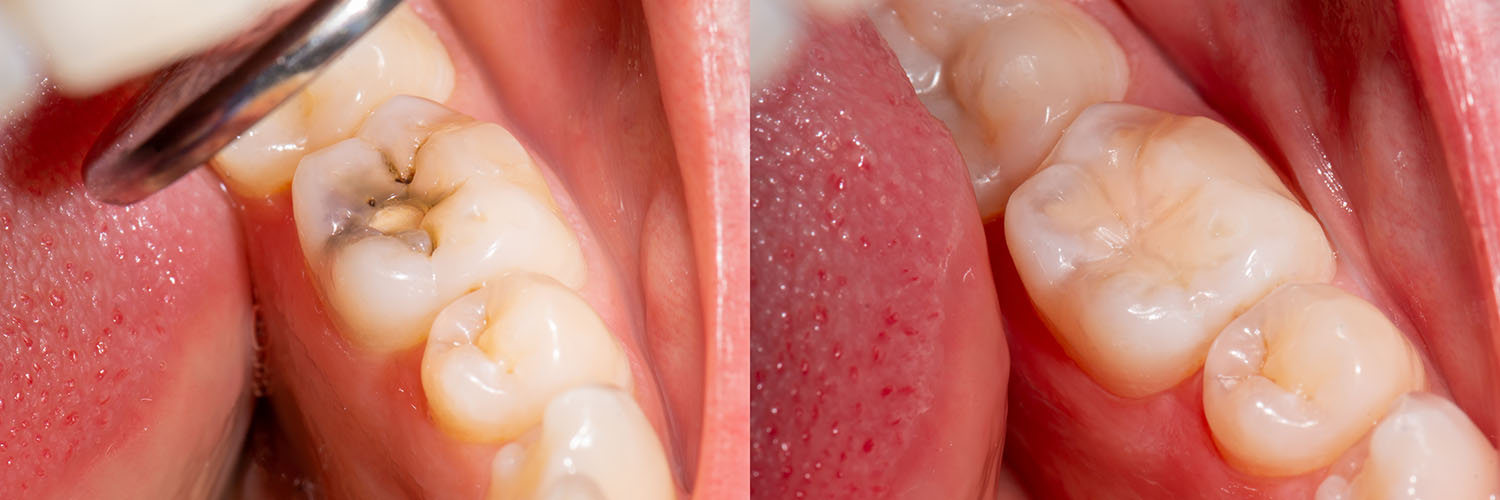
Not every dark spot or sensitivity warrants the same treatment. A dentist evaluates how deep the decay extends, whether the tooth has had previous restorations, and whether structural reinforcement is needed. Small to moderate cavities are typically ideal candidates for direct fillings, while larger defects may be better served by onlays, inlays, or crowns.
Diagnostic tools such as clinical examination, digital radiography, and intraoral imaging help determine the extent of decay and the appropriate restoration. This diagnostic phase allows your dentist to explain alternatives and expected outcomes so you can make an informed choice.
In many cases, a direct filling can be placed during a single visit. For larger or indirect restorations, the process may require a second appointment to finalize the fit and finish after lab fabrication. Regardless of the technique, the aim is a durable restoration that restores function and integrates with your smile.
A standard filling appointment typically begins with a brief review of your medical and dental history and a targeted exam of the area in question. Local anesthesia is used as needed to ensure the procedure is comfortable; most patients experience little to no discomfort during treatment once the tooth is numb.
Decay is removed using precise instruments — a dental handpiece (drill), air abrasion, or, in some practices, laser technology. The prepared cavity is then cleaned and conditioned to create an optimal surface for bonding or cementation, depending on the material chosen.
Direct restorations such as composite, glass ionomer, or amalgam are placed and shaped in the mouth, then polished for smoothness and comfort. Indirect restorations like ceramic inlays or gold onlays are cemented or bonded in a follow-up appointment after laboratory fabrication.
Throughout the process, the team checks bite alignment and makes meticulous adjustments so your restored tooth feels natural. If dental anxiety is a concern, we will discuss appropriate comfort measures prior to beginning treatment.
After your filling is placed, it is normal to experience temporary numbness while local anesthetic wears off. Avoid chewing on the treated side and take care when drinking hot beverages until full sensation returns to prevent accidental bites or burns.
Mild sensitivity to temperature or pressure is common for a few days after treatment as the tooth adapts to the restoration. This usually subsides on its own, but if sensitivity worsens or is accompanied by persistent pain or swelling, contact the practice so your dentist can evaluate the situation.
Long-term care focuses on maintaining good oral hygiene and regular dental checkups. Brushing twice daily, flossing, and professional cleanings help prevent new decay at the margins of restorations. Avoiding excessive wear from habits such as chewing on hard objects or clenching can also extend the life of any filling.
With proper home care and periodic dental monitoring, most modern fillings provide many years of reliable service. If a restoration becomes compromised, your dentist will recommend the appropriate next step to protect tooth structure and preserve oral health.
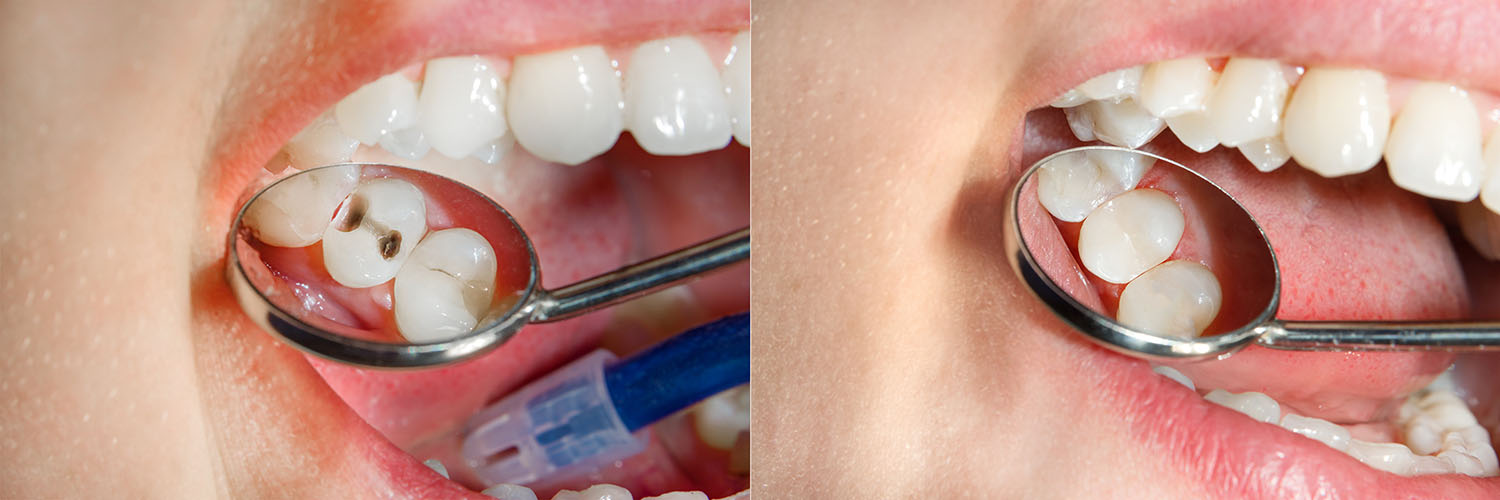
In summary, modern dental fillings are designed to stop decay, restore function, and maintain the natural appearance of your tooth. If you have questions about which material or approach is best for your situation, please contact us for more information.
If the pleasure of eating a delicious bowl of ice cream or sipping a soothing cup of tea gets overshadowed by dental pain that makes you wince; it's time to contact our office. As skilled providers of care, we'll determine what's causing your discomfort and perform the treatment required to alleviate your symptoms and get you back on the road to oral health.
Cavities develop because of an infectious process that causes progressive damage to tooth structure. Despite starting as a pinpoint defect on the outermost enamel layer of your tooth, untreated dental decay progressively compromises more and more healthy tooth structure as it works its way to the inner layers of your tooth.
Yes, you can still develop tooth decay on other surfaces of the tooth, around the margins of an old filling, or in fewer instances, recurrent decay underneath it. For this reason, it's essential to maintain excellent oral hygiene, a diet low in sugary beverages and sweets, and be sure to visit our office for routine checkups and care. While tooth decay is second only to the common cold in frequency, it's almost entirely preventable.
We value the time and comfort of our patients. If cavities are located on adjacent teeth, or in the same section of your smile, it may be possible to treat more than one tooth during your visit. However, how much is done each visit depends on several factors. We keep our patients well informed and tailor every treatment plan and visit to address their unique needs.
Addressing concerns on the presence of elemental mercury in silver fillings, the American Dental Association (ADA), The Center for Disease Control and Prevention (CDC), the FDA, and the World Health Organization have all stated that amalgam restorations do not pose a risk to health. However, individuals with allergies or sensitivities to the metals in dental amalgam are advised to pursue other restorative options.
Dental fillings are performed under local anesthesia to help ensure your comfort throughout the entire procedure. The involved tooth remains completely numb for the extent of your visit. Within one or two hours after the procedure is completed, the local anesthetic will gradually wear off, and normal sensations return.
A tooth-colored composite filling is fully hardened and set by the end of your visit. However, we may advise you to wait a couple of hours until the local anesthesia has completely worn off. This advice is to help ensure you don't accidentally bite your lip, cheek, or tongue while still numb.
The lifetime of a dental filling varies depending on the type of material used. While popular dental materials can last a decade or more with proper care, they can degrade over time, wear down, or even break. When this happens, you may experience some tooth sensitivity, a jagged edge, or a loose or dislodged piece of filling material. Whatever the case may be, it's essential to get the filling replaced before the tooth sustains further damage or other consequences arise. Beyond taking good care of your smile to help ensure the longevity of your fillings, our office regularly checks the status of your existing fillings as part of a routine checkup exam.
Dental fillings are an essential investment that serves to preserve and protect the health of your smile. With that said, how much a filling costs depends on the number of surfaces of the tooth involved and the filling material that is used. Amalgam restorations are the most economical. While tooth-colored composite fillings have a slightly higher cost, they offer the added benefits of being metal-free and much more aesthetically pleasing. Ceramic fillings, inlays, and onlays are more expensive than the preceding options but provide outstanding, long-lasting, and natural-looking results.
Dental insurances typically cover the cost of dental fillings. While we work with you to maximize your insurance benefits, there may still be an out-of-pocket expense. At the office of William L. Krell, DDS, MAGD, we strive to help you begin care without any additional financial stress or delay.
Dental fillings are restorative materials placed into a tooth to replace structure lost to decay or injury and to restore normal function. By removing diseased tissue and sealing the cavity, a filling helps prevent further breakdown and reduces the risk of infection reaching the tooth pulp. Fillings also restore chewing surfaces and support proper bite alignment, which protects neighboring teeth and jaw joints.
Modern filling techniques emphasize conservative removal of decayed tissue and adhesion to remaining tooth structure, preserving as much natural enamel and dentin as possible. Tooth-colored materials allow restorations to blend with your smile while providing strength, and durable options are available for high-wear areas. Timely placement of a filling can often avoid more extensive restorative treatment later on.
Today’s filling materials include tooth-colored composite resin, metal amalgam, fluoride-releasing glass ionomer, ceramic inlays/onlays, and gold or other precious metal restorations. Composite resins bond to enamel and dentin, offer excellent aesthetics, and are commonly used for small to medium cavities, while amalgam is historically known for durability in posterior teeth that endure heavy chewing forces. Glass ionomer releases fluoride and bonds chemically to tooth surfaces, making it useful in certain clinical situations and pediatric care.
Ceramic and lab-fabricated inlays or onlays provide superior color stability and strength for larger defects, and gold restorations remain an excellent long-term option for function where aesthetics are less critical. Each material has different wear characteristics, bonding mechanisms, and preparation needs, so clinicians balance longevity, appearance, and tooth preservation when recommending a material. Understanding these differences helps you make an informed choice that fits your oral health and cosmetic priorities.
Selecting a filling material is a clinical decision based on the size and location of the cavity, the amount of remaining tooth structure, bite forces, aesthetic expectations, and the patient’s oral habits. For front teeth or visible areas, tooth-colored composite or ceramic options are often preferred for their natural appearance, while posterior teeth that require extra strength may be better served by stronger materials or indirect restorations. The dentist will also consider any history of sensitivity, bruxism, or restorations on the same tooth when making a recommendation.
A thoughtful discussion of pros and cons helps tailor the choice to your needs and long-term goals, balancing conservation of tooth structure with durability and appearance. Diagnostic tools such as digital radiographs and intraoral imaging inform the recommendation by clarifying the extent of decay and the tooth’s structural integrity. Ultimately, the chosen material should restore function, protect the tooth, and integrate with your overall treatment plan.
A typical filling appointment begins with a targeted examination and, if needed, diagnostic X-rays to evaluate the extent of decay and surrounding structures. Local anesthesia is used when appropriate to ensure comfort, and the decayed tissue is removed with precise instruments such as a dental handpiece, air abrasion, or laser depending on the case and available technology. Once the cavity is prepared, the surface is cleaned and conditioned to optimize bonding or cementation of the chosen material.
Direct restorations like composite, glass ionomer, or amalgam are shaped and polished in the mouth, whereas indirect restorations such as ceramic inlays or gold onlays may require a second visit for final bonding after lab fabrication. Bite alignment is checked and adjusted to ensure the restored tooth feels natural, and post-operative instructions are reviewed before you leave. At the office of William L. Krell, DDS, MAGD, emphasis is placed on conservative technique and patient comfort throughout the visit.
Most patients experience little to no pain during the procedure once the area is numb with local anesthesia, and clinicians take steps to minimize discomfort for anxious or sensitive patients. Some people benefit from additional comfort measures or mild sedation options if anxiety is a concern, and these choices can be discussed before treatment begins. During the procedure you may feel pressure or vibration, but sharp pain should not occur if anesthesia is effective.
After the anesthetic wears off, it is common to have temporary numbness followed by mild soreness or sensitivity to temperature and pressure for a few days as the tooth adjusts. Over-the-counter pain relievers and avoiding very hard or sticky foods on the treated side usually manage symptoms effectively. If you experience increasing pain, prolonged numbness, swelling, or signs of infection, contact the office for prompt evaluation.
The lifespan of a filling depends on the material used, the size and location of the restoration, oral hygiene, and bite forces from habits such as grinding or chewing hard objects. Composite fillings typically last many years with proper care, while amalgam and gold restorations have long clinical histories of durability in high-stress areas. Indirect restorations like ceramic inlays and onlays can provide extended longevity for larger defects when properly fabricated and bonded.
Regular dental checkups allow your dentist to monitor restorations for signs of wear, marginal breakdown, or recurrent decay so interventions can be made before more extensive treatment is needed. Good daily oral hygiene, avoiding excessive forces, and addressing parafunctional habits with protective appliances all contribute to longer service life. When a restoration shows compromise, your dentist will recommend repair or replacement options that protect the tooth and preserve healthy structure.
Caring for a filled tooth focuses on maintaining excellent oral hygiene through twice-daily brushing with a fluoride toothpaste and daily interdental cleaning to prevent decay at the margins of restorations. Regular professional cleanings and exams help detect early changes around fillings so you can address issues before they progress. Avoiding habits such as chewing ice, biting fingernails, or using teeth to open packages reduces the risk of chipping or dislodging a filling.
For patients with sensitivity or a high risk of decay, your dentist may recommend fluoride treatments or desensitizing agents to strengthen enamel and reduce discomfort. If you grind or clench your teeth, a protective nightguard can reduce excessive wear on restorations and natural teeth. Promptly reporting any roughness, sharp edges, or changes in bite allows timely adjustments that protect both the filling and the tooth.
When a cavity is large or a tooth has extensive structural loss, a direct filling may not provide adequate strength or long-term protection, and an indirect restoration such as an inlay, onlay, or crown may be recommended. Inlays and onlays restore moderate defects while preserving more natural tooth structure than a full crown, and they are often fabricated from strong ceramics or metal for durability. Crowns cover the entire visible portion of the tooth and are indicated when the remaining tooth is too weak to support a conventional filling.
Decisions between direct and indirect restorations are guided by the extent of decay, previous restorative history, occlusal forces, and aesthetic considerations. Indirect options typically involve laboratory or CAD/CAM fabrication and precise bonding techniques that enhance fit and longevity. Your dentist will explain the clinical rationale for each option so you understand how the chosen approach protects the tooth long term.
Some sensitivity after a filling is common as the tooth adapts to the new restoration, particularly with deep cavities or when bonding near the pulp. Sensitivity is usually mild and transient, responding to desensitizing toothpaste, topical agents, or brief anti-inflammatory measures. If sensitivity persists beyond a few weeks, the dentist will evaluate for high spots, marginal gaps, recurrent decay, or pulp inflammation and recommend appropriate treatment.
In cases where the nerve is irritated or infected, more advanced care such as pulp therapy or root canal treatment may be necessary to resolve persistent pain. Bite adjustments and replacement of an improperly contoured restoration can also eliminate discomfort. Open communication with your dental team ensures timely management of sensitivity before it progresses to a more significant problem.
You should contact the office if you experience increasing pain, prolonged or worsening sensitivity, visible swelling, fever, or signs of infection following a filling. Other warning signs include a filling that feels high when you bite, a sharp or rough edge, looseness of the restoration, or new sensitivity to biting that suggests a crack or fracture. These issues can compromise the tooth and require prompt assessment to prevent further damage.
When in doubt, schedule an evaluation so your dentist can examine the restoration and take appropriate diagnostic images if needed. Timely follow-up allows for adjustments, repairs, or additional treatment to protect the tooth and maintain oral health. If you need assistance, contact the office of William L. Krell, DDS, MAGD to arrange a prompt appointment for assessment.

Get in touch with us today!