Recognizing a True Dental Emergency
Not every ache or sensitivity requires urgent care, but some dental problems demand immediate attention to protect your health and preserve your smile. True emergencies typically involve severe, persistent pain; uncontrolled bleeding; swelling that affects breathing or swallowing; a tooth that has been completely knocked out; or injuries to the lips, tongue, or jaw. Rapid response in these situations can mean the difference between saving a tooth and needing a long-term replacement.
Common urgent conditions include intense toothaches, deep fractures or chips that expose the nerve, rapidly spreading infections (abscesses), and significant soft-tissue wounds inside the mouth. Sudden changes such as loose permanent teeth after trauma, or a crown or filling that falls out and creates sharp edges, can also warrant same-day care. If you are unsure whether a problem is urgent, erring on the side of prompt evaluation is a safe choice.
When you arrive for emergency treatment, our priority is stabilizing your condition and preventing further damage. That can mean controlling pain and swelling, stopping any bleeding, and protecting teeth from additional trauma. Clear, calm triage helps us determine which issues need immediate intervention and which can be managed with scheduled follow-up care.
First-Aid Steps to Protect Your Mouth Before You Arrive
There are simple actions patients can take at home that improve outcomes before professional care is available. For a knocked-out tooth, handle it only by the crown (the white part), avoid touching the root, and if possible gently rinse debris under cool water without scrubbing. If you can, try to reinsert the tooth into the socket; if not, keep it moist by placing it in milk or saliva and bring it with you. Quick measures increase the chances of saving the tooth.
For severe bleeding or lacerations, apply steady pressure with clean gauze or a damp cloth until help is available, and position the head so bleeding is minimized. Ice applied to the outside of the cheek or jaw can reduce swelling and discomfort after an acute injury. For broken or fractured teeth that create sharp edges, a piece of sugar-free gum or dental wax can temporarily cover exposed areas and reduce injury to the tongue or lips.
If you experience swelling, fever, or difficulty breathing, seek immediate medical care—these can indicate a rapidly progressing infection. Over-the-counter pain relievers may help manage discomfort briefly, but they do not replace professional assessment. Avoid placing aspirin directly on a tooth or gum tissue, and do not attempt extensive home repairs with superglue or other adhesives; those approaches can complicate proper dental treatment.
How We Assess and Prioritize Urgent Dental Needs
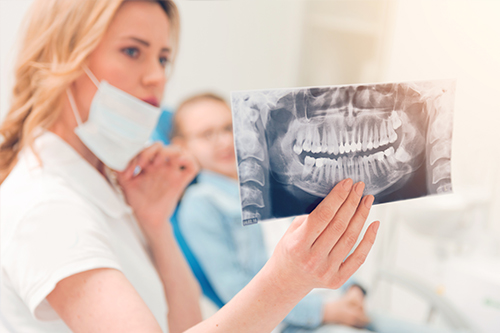
When you arrive at our office, we focus on a structured, thorough evaluation to determine the cause and severity of your condition. The initial assessment typically includes a clinical exam, a focused medical and dental history, and appropriate imaging such as digital radiographs or CBCT scans when deeper assessment is required. These tools help us see beyond what is visible and develop a precise treatment plan.
Our team emphasizes pain control and infection management as immediate goals. We use proven techniques to alleviate discomfort quickly and to stabilize infected or damaged tissue. Where appropriate, we may recommend short-term measures—such as temporary restorations or a protective splint—while planning definitive treatment. Every recommendation is tailored to the individual, taking into account overall health, dental history, and the specific nature of the emergency.
As a practice with advanced training and technology, we aim to deliver care that is efficient, gentle, and conservative when possible. That means we prioritize saving natural tooth structure and restoring function with durable solutions. Clear communication is part of the process: we explain findings, outline options, and help you understand what to expect during and after treatment.
Treatment Options for Common Urgent Problems
Treatment varies according to the diagnosis. For painful decay and small fractures, a new filling or dental bonding can eliminate discomfort and restore tooth shape. Larger structural damage may require a crown to protect remaining tooth structure and re-establish chewing function. When the pulp— the tooth’s nerve—becomes inflamed or infected, endodontic (root canal) treatment is often the best option to relieve pain while preserving the natural tooth.
Severe infection or tooth damage that cannot be restored may require extraction. If a tooth must be removed, we discuss and plan for appropriate replacement options to restore appearance and function. Modern implant restorations, fixed bridges, and removable partials are reliable solutions for replacing missing teeth; each option has unique benefits depending on the clinical situation and the patient’s goals.
For soft-tissue injuries, lacerations or tears are repaired with careful suturing when needed, and we address infection risk with localized care and, when indicated, antibiotics prescribed by the treating clinician. Management of acute periodontal problems—such as rapid gum swelling or painful pocketing—may include cleaning, drainage of abscesses, or short-term antimicrobial therapy combined with ongoing periodontal planning.
When trauma affects the jaw or causes complex dental displacement, coordinated care with medical or oral surgery colleagues ensures comprehensive treatment. Our emphasis is on restoring comfort, function, and a stable foundation for long-term oral health, using conservative techniques whenever feasible.
Aftercare, Follow-Up, and Steps to Reduce Future Risk
Recovery from emergency dental care often includes a short period of modified chewing, attention to oral hygiene, and adherence to any prescribed medications or home-care instructions. We schedule follow-up visits to monitor healing, complete restorative phases (for example, placing a permanent crown after a temporary), and ensure infection has resolved. Timely follow-up is an important part of preventing complications and preserving treatment success.
Prevention plays a central role in avoiding future emergencies. Simple measures—such as wearing a protective mouthguard during sports, using a night guard for heavy grinders, maintaining regular cleanings and exams, and addressing small problems before they progress—can dramatically reduce the chance of urgent situations. We work with patients to develop personalized prevention strategies that fit their lifestyle and risk factors.
If you have sustained trauma or are experiencing pain and swelling, seek prompt professional evaluation rather than waiting. Quick, appropriate care preserves options and improves outcomes. For patients looking for experienced, thoughtful emergency care, the office of William L. Krell, DDS, MAGD provides timely assessment and treatment designed to restore comfort and protect long-term oral health.
If you would like more information about our emergency treatment approach or need guidance about a current problem, please contact our office to speak with a member of our team. We are here to help and can explain next steps so you know what to expect.