Invisalign®

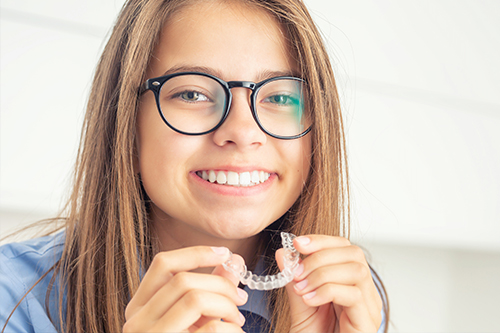
Invisalign® offers a discreet, modern alternative to traditional orthodontics by using a series of clear, removable aligners to reposition teeth. For many adults and image-conscious teens, this system delivers predictable tooth movement with minimal disruption to daily life — no brackets, no wires, and greater flexibility for eating and oral hygiene. The following sections explain how the system works, who benefits most, what to expect in the chair, and how we integrate this technology into long-term oral health planning.

How clear aligners gently guide teeth into place

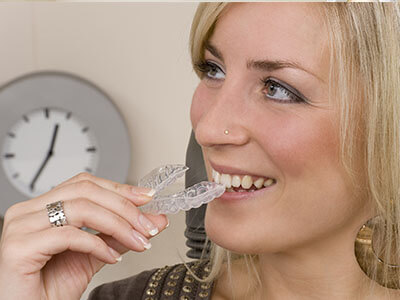
Invisalign® therapy moves teeth through a sequence of custom-designed aligners. Each aligner applies carefully graded forces to specific teeth; after the prescribed wear period, you switch to the next aligner in the series and the movement progresses. Rather than relying on a single large adjustment, the system achieves complex corrections through many small, controlled steps, which improves comfort and precision.

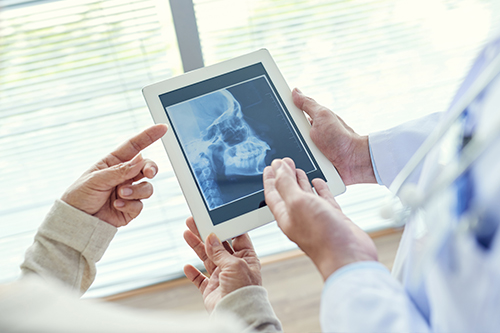
The process begins with a digital scan of your mouth, which creates an exact three-dimensional model. That model is used to plan a complete course of movement from the current alignment to the targeted outcome, then a series of aligners is manufactured to follow that plan. This pre-planned approach allows clinicians to visualize intermediate stages and make adjustments before treatment begins.

Because aligners are removable, they also support better daily oral hygiene compared with fixed appliances. Brushing and flossing can be performed without the need to work around brackets or wires, reducing the risk of plaque accumulation and improving gum health during treatment.

Who is a strong candidate for clear aligner treatment

Invisalign® can address a wide range of alignment issues — from mild crowding and spacing to more complex bite concerns — but successful treatment depends on case selection and clinician oversight. Good candidates generally have healthy gums and teeth and realistic expectations about the commitment required, such as wearing aligners for the recommended hours each day and attending scheduled check-ins.

Some orthodontic problems still require auxiliary techniques or fixed appliances, but advances in aligner technology have expanded the scope of treatable cases. Attachments, interproximal reduction (IPR), and precision cuts for elastics are examples of strategies that can be combined with clear aligners to manage rotations, vertical control, and bite correction.

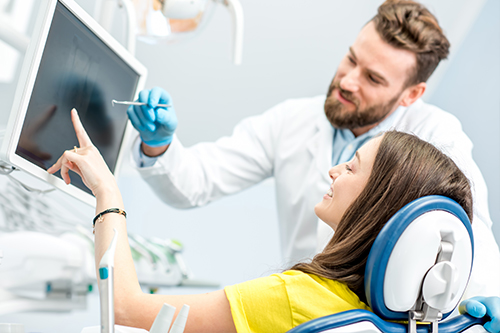
A clinical consultation is the best way to determine suitability. During an evaluation we review medical and dental history, assess periodontal health, take precise digital records, and discuss goals so you can make an informed decision about the most appropriate path forward.

Digital planning and the technology behind your plan

Modern clear aligner care depends on detailed digital planning. In-office digital scans produce highly accurate models that drive 3-D treatment simulation software. These simulations allow the clinician to map tooth movement step-by-step, anticipate potential challenges, and optimize the sequence for efficiency and stability.

Because treatment is planned in software before any aligners are produced, adjustments and refinements can be incorporated early. This pre-visualization also gives patients a clearer understanding of the expected timeline and intermediate changes, which helps set realistic expectations and encourages adherence.

Manufacturing uses advanced clear plastics designed for strength, clarity, and comfort. Each aligner is trimmed and contoured to minimize irritation while delivering the prescribed forces. As the system evolves, improvements in materials and design continue to enhance fit and treatment predictability.

Daily life with aligners: care, compliance, and comfort

One of the most significant advantages of clear aligners is their compatibility with everyday life. Aligners should be worn as directed — typically the majority of each day — but they can be removed for meals, sports, and important events. This flexibility makes it easier to maintain normal diet and oral care habits throughout treatment.

Proper cleanings and storage are essential. Rinse aligners after removal, brush them gently with a non-abrasive brush, and store them in a protective case when not being worn. Good hygiene practices protect both the aligners and your teeth, reducing the chance of discoloration or odor.

Some patients experience mild soreness or pressure when switching to a new aligner; this is an expected sign that the appliance is working. Over-the-counter pain relievers and short rest periods can usually manage discomfort, and most people adapt quickly as treatment progresses.

What to expect from the treatment path at our practice

Your course of care begins with a comprehensive exam and digital records that inform a personalized treatment plan. That plan outlines the intended sequence of movements, estimated duration, and any additional procedures that may be required to achieve a stable, functional result — such as IPR or the use of small composite attachments.

Throughout treatment you will return for periodic progress checks so the team can confirm that movement is proceeding as intended and make modifications if necessary. These visits also offer an opportunity to maintain preventive care and catch any concerns early, ensuring the best possible long-term outcome.

Retention is a critical part of the process. Once active alignment is complete, retention devices help preserve the new tooth positions while tissues settle. Your clinician will discuss a retention plan tailored to your needs and long-term oral health goals.

A technology-driven process that’s customized for each smile and coordinated by a trained clinician.

As part of a modern orthodontic pathway, clinicians rely on aggregated treatment data and clinical experience to refine planning strategies and predictably manage a broad spectrum of alignment needs. This combination of evidence-based technique and individualized attention helps clinicians deliver outcomes that are both functional and aesthetic.

William L. Krell, DDS, MAGD | Dental Cleanings, ZOOM  Whitening and Dental Fillings

Initial evaluation and personalized recommendations

The first visit focuses on a complete oral evaluation and discussion of your concerns and goals. Using digital scanning and a clinical exam, your provider explains what aligner therapy can achieve in your specific case and outlines the next steps for a personalized plan.

William L. Krell, DDS, MAGD | Snoring Appliances, Preventative Program and CEREC

Precise digital records and a visual treatment map

We use high-resolution digital impressions to create an accurate model of your teeth. From there, we generate a visual treatment map that shows the sequential stages of movement and gives a realistic preview of the anticipated outcome.

William L. Krell, DDS, MAGD | Ceramic Crowns, Dental Bridges and Invisalign reg

Manufacture and customization of your aligner set

Each aligner is crafted to match your treatment plan, with contours and edges designed for comfort. When necessary, small attachments or modifications are incorporated to assist with specific movements and to maximize the efficiency of the system.

William L. Krell, DDS, MAGD | Pediatric Dentistry, Laser Dentistry and Preventative Program

Ongoing monitoring and long-term maintenance

Regular check-ins let us confirm progress and make refinements. After active alignment, we focus on retention strategies and routine preventive care to help you preserve the functional and aesthetic benefits achieved through treatment.

*Invisalign® is a registered trademark of Align Technology, Inc.

At the office of William L. Krell, DDS, MAGD, our approach pairs advanced aligner technology with detailed clinical planning to support healthy, lasting results. If you’re considering clear aligner therapy, please contact us to learn more or to schedule an evaluation. We’re happy to answer your questions and help you determine if Invisalign® is a suitable option for your smile.

Frequently Asked Questions

I want to straighten my teeth but I don't want metal braces. What are the alternatives?

+

There are many options for patients who want to avoid metal braces! The most popular alternative orthodontic treatment is Invisalign®, which are clear plastic aligners designed to straighten teeth. After an examination of your teeth, your dentist will determine which option is best suited to your wants and needs.

Is Invisalign® expensive?

+

According to the Invisalign® website, the cost for treatment is approximately the same as the cost for metal braces. A portion of this cost may be covered by your insurance. Please call us to set up a consultation and discuss potential payment plan options.

How does Invisalign® work?

+

The first step is to schedule a consultation with your doctor, so they can devise a treatment plan that is best suited to your individual dental needs. Once approved, you will receive your first set of aligners. Your doctor will then regularly monitor the movement of your teeth and new aligners will be ordered according to the progress made in your treatment plan.

What is Invisalign® made of?

+

Invisalign® aligners are made of clear, flexible plastic. The company received a patent for this material – SmartTrack® – to be used exclusively for Invisalign treatment purposes. These aligners are FDA approved and nearly invisible!

How long does Invisalign® treatment take?

+

Your doctor will give you an estimate regarding how long your Invisalign® treatment should take, which will depend on your specific needs. The average length of time for treatment is approximately 12-18 months. However, some patients may see results far sooner. Remember to wear your aligners exactly as instructed by your doctor to obtain the best results.

Are Invisalign® results permanent?

+

Your doctor will most likely recommend that you wear retainers following your Invisalign® treatment. This is a precaution that will prevent your teeth from shifting back to their original positioning. It is important to follow your doctor's instructions exactly to ensure long-lasting results.

How often must I wear my aligners?

+

You must wear your aligners for up to 22 hours daily. You may remove them for eating, drinking and regular oral hygiene.

Are there any restrictions to what I can eat while in treatment?

+

No. Unlike braces, you may eat whatever you like as long as you remove the aligners before eating. Prior to placing the aligners back on, it is important to brush your teeth and the aligners after you eat.

Will wearing the aligners affect my speech?

+

Like any orthodontic treatment, there is a short adjustment period. The more you speak with the aligners on, the quicker you will adjust.

Is there any discomfort with Invisalign® treatment?

+

There will be some pressure and minor discomfort for a day or two after each initial insertion. This is a sign that your teeth are moving sequentially into their final position.

Can I chew gum?

+

It is recommended that you remove your aligners prior to chewing gum as the gum will stick to the aligners.

Can I smoke with the aligners in?

+

We discourage smoking with aligners as the cigarette smoke will tend to discolor them.

How do I keep my aligners clean?

+

Brushing them with toothpaste will keep them fresh and clean.

How often do I see an orthodontist while wearing Invisalign®?

+

Regular office visits are every five to six weeks. This will ensure that your Invisalign treatment is progressing as planned.

What happens after my treatment is complete? Do I need retainers?

+

All orthodontic patients are instructed to wear their retainers at night indefinitely. Sleeping with your retainers in at night will ensure a healthy bite and maintain the new position of your teeth.

Does Invisalign work for kids?

+

Yes, if their teeth, including second molars, have grown in completely.

What is Invisalign® and how does it differ from traditional braces?

+

Invisalign® is a clear aligner system that straightens teeth using a sequence of removable, custom-made trays rather than brackets and wires. Each aligner exerts controlled, gentle forces to move specific teeth in small increments until the planned outcome is achieved. Because the appliances are transparent and removable, they offer a more discreet and flexible option for many adult patients and image-conscious teens.

Unlike fixed braces, clear aligners allow patients to remove the appliance for eating, sports and oral hygiene, which can simplify daily care and reduce plaque buildup around hardware. Treatment is guided by digital planing and pre-manufactured aligner sets, allowing clinicians to anticipate the sequence of movements before treatment begins. The overall goals are comparable to traditional orthodontics — improved alignment, function and long-term oral health — but the workflow and lifestyle experience differ substantially.

How do clear aligners move teeth safely and predictably?

+

Clear aligner therapy moves teeth through a planned series of small, controlled adjustments created by custom aligners that fit precisely over the dental arches. Each aligner is designed to apply targeted pressure to specific teeth, and patients transition through the set at prescribed intervals to continue the progressive movement. This staged approach reduces the need for single large adjustments and improves comfort and precision compared with forceful, infrequent activations.

Digital planning and three-dimensional simulations help clinicians map the entire course of movement before any aligners are produced, which increases predictability and allows for refinements in advance. When necessary, auxiliary techniques such as small composite attachments or interproximal reduction can be incorporated into the plan to improve control over rotations, vertical changes and bite relationships. Regular monitoring ensures the treatment stays on track and allows clinicians to modify the sequence if required.

Who is a good candidate for Invisalign® treatment?

+

Good candidates for Invisalign® generally have healthy gums and teeth and realistic expectations about the commitment required for a successful outcome. The system is effective for a wide range of alignment issues, including mild to moderate crowding, spacing and many bite irregularities, but case selection and clinician oversight are essential. Patients should be prepared to wear aligners for the recommended hours each day and attend scheduled progress appointments.

More complex orthodontic problems may still require adjunctive techniques or occasional use of fixed appliances, but advances in aligner materials and treatment protocols have expanded the scope of treatable cases. A comprehensive clinical evaluation that includes periodontal assessment, digital records and discussion of goals is the best way to determine whether clear aligners are appropriate. Your clinician will explain any additional procedures that may be needed to achieve a stable, functional result.

What does the digital treatment planning process involve?

+

Digital treatment planning begins with high-resolution intraoral scans that create an accurate three-dimensional model of your teeth and bite. This model is used in specialized software to simulate step-by-step tooth movements from the current position to the desired outcome, allowing the clinician to visualize intermediate stages and anticipate potential challenges. Because the entire plan is created and reviewed before aligners are manufactured, adjustments and refinements can be made during the planning phase to optimize efficiency.

Once the plan is finalized, a series of aligners is produced to follow the simulated pathway of movement, and clinicians receive a detailed roadmap of expected stages and timing. This transparency helps set realistic expectations and encourages patient adherence by showing a tangible sequence of changes. Ongoing monitoring and occasional refinements during treatment maintain alignment with the planned progression and address any unforeseen responses.

How do attachments, interproximal reduction and elastics support aligner therapy?

+

Attachments are small, tooth-colored composite shapes bonded to teeth to improve aligner grip and enable specific movements such as rotations or extrusions that might otherwise be difficult to achieve. Interproximal reduction (IPR) involves removing minute amounts of enamel between teeth to create space for alignment and to help correct mild crowding or to improve contact relationships. Elastics, when needed, can be used in conjunction with precision cuts in aligners to address bite relationships by applying targeted interarch forces.

These adjunctive tools expand the range of tooth movements achievable with clear aligners and are planned during the digital treatment design when indicated. The clinician will discuss any recommended auxiliary techniques during the consultation so patients understand why they may be part of the overall plan. Proper execution and monitoring of these strategies contribute to more predictable and stable outcomes.

What should I expect during my Invisalign® treatment at the office of William L. Krell, DDS, MAGD?

+

Your treatment begins with a comprehensive exam, periodontal assessment and high-resolution digital records that inform a personalized aligner plan tailored to your goals. The plan outlines the intended sequence of movements, an estimated timeline and any adjunctive procedures such as attachments or IPR that may be necessary to achieve a functional and aesthetic result. You will receive detailed instructions on wear time, aligner care and what to expect when switching trays.

Throughout treatment you will return for periodic progress checks so the team can verify that movement is proceeding as planned and implement refinements if needed. These visits also provide opportunities for routine preventive care and early identification of any concerns that could affect long-term stability. At completion, a retention strategy will be put in place to preserve your new alignment while tissues settle.

How should I care for my aligners and maintain good oral hygiene during treatment?

+

Clean aligners regularly by rinsing after removal and gently brushing them with a soft, non-abrasive brush; avoid hot water and abrasive cleaners that can warp or scratch the material. Store aligners in their protective case whenever they are not being worn to prevent damage and reduce the risk of loss. Maintain a consistent oral hygiene routine of brushing and flossing before reinserting aligners to minimize plaque buildup and protect gum health throughout treatment.

Attend scheduled preventive visits and professional cleanings so the clinician can monitor periodontal health and intervene early if issues arise. If aligners develop discoloration or odor, discuss appropriate cleaning options with your provider rather than attempting harsh chemicals. Proper care of both teeth and appliances supports comfort, aesthetics and predictable movement during the course of treatment.

Will wearing Invisalign® affect my speech or daily activities?

+

Most patients adapt to aligners quickly, and any initial changes in speech are typically mild and transient, often resolving within a few days as the tongue adjusts to the presence of the appliance. Aligners are removable for meals, sports and special occasions, which allows patients to maintain normal dietary habits and participate in recreational activities without permanent hardware. For contact sports, a separate athletic mouthguard may be recommended to provide additional protection when needed.

Some temporary soreness or pressure is common when switching to a new aligner and generally indicates that the system is working as intended; over-the-counter analgesics and brief rest periods usually manage discomfort. If persistent or severe pain occurs, patients should contact the office to rule out an underlying issue and receive tailored guidance. Overall, aligner therapy aims to integrate with daily life while minimizing disruption to routine activities.

What is retention and how is it managed after Invisalign® treatment?

+

Retention is the phase after active alignment during which devices such as removable retainers or fixed bonded retainers preserve the new tooth positions while soft tissues and bone adapt. Because teeth can gradually shift over time, a retention strategy tailored to the patient’s needs is essential for maintaining results and protecting the investment of treatment. The clinician will explain the recommended type of retainer, wear schedule and any long-term monitoring required to sustain alignment.

Regular follow-up appointments during the retention period help ensure that retainers fit correctly and that any minor relapses are detected early and addressed promptly. Patients who consistently follow the retention plan generally enjoy more stable, long-lasting outcomes. Ongoing preventive care and good oral hygiene remain important for both the health and appearance of the smile.

How can I schedule a consultation to find out if Invisalign® is right for me?

+

To determine whether Invisalign® is a suitable option, schedule a consultation at our Houston office where a comprehensive exam, periodontal assessment and digital records will inform a personalized recommendation. During the visit, the clinician will review your dental and medical history, explain the digital treatment planning process and discuss any adjunctive procedures that may be necessary to achieve a stable, functional result. You will also have a chance to review the expected sequence of movements and ask questions about day-to-day care and retention.

If you would like to arrange an evaluation, please contact our office at (713) 621-1919 or request an appointment through our practice’s usual channels. Our team can help coordinate digital records and explain next steps so you can make an informed decision about clear aligner therapy. We look forward to answering your questions and outlining a path that supports your oral health goals.

William L. Krell, DDS, MAGD | CEREC, ZOOM  Whitening and Preventative Program

Our Services

Learn More

New Patients

Learn More

Request an Appointment

Start Today

Contact

Our Office

3100 Weslayan Street
Suite 222
Houston, TX 77027
Monday
8:30 am - 5:00 pm
Tuesday
8:30 am - 5:00 pm
Wednesday
8:30 am - 5:00 pm
Thursday
8:30 am - 5:00 pm
Friday
By Appointment
Saturday
Closed
Sunday
Closed

Get in touch with us today!