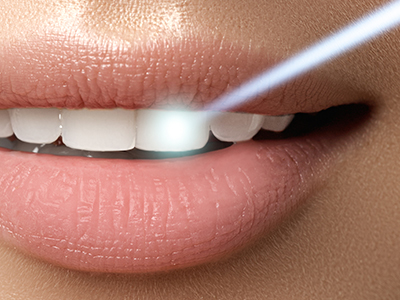
Laser dentistry uses focused light energy to perform a variety of dental procedures with a level of precision that traditional instruments can’t always match. Rather than relying solely on mechanical cutting or grinding, lasers interact directly with soft tissue, hard tissue, or restorative materials to reshape, remove, sterilize, or activate specific areas. The technology has evolved rapidly, and today’s dental lasers are designed to be versatile tools that complement — not replace — conventional treatments.
Patients often encounter the term “laser” and assume it’s a single device or technique. In reality, different wavelengths and delivery systems are optimized for different clinical goals, such as treating gum disease, preparing tooth structure, or assisting with cosmetic whitening. That range of capability makes laser therapy a useful option for dentists who want to tailor care precisely to each patient’s needs.
At the office of William L. Krell, DDS, MAGD, laser dentistry is presented as one of several advanced tools used to improve outcomes and patient comfort. When selected appropriately, lasers can streamline procedures, reduce trauma to surrounding tissues, and support faster healing — which is why many modern practices include them as part of a comprehensive treatment toolkit.
Dental lasers produce concentrated light energy that interacts with tissue in predictable ways. For soft tissues (like gums or oral mucosa), the laser’s energy can vaporize or coagulate cells, allowing for precise cutting with simultaneous blood control. For hard tissues (enamel or dentin), certain lasers excite water molecules within the tooth to ablate decayed material without the friction and pressure of a traditional drill. The result is a more controlled approach to shaping or removing tissue.
Because lasers operate without continuous physical contact, many patients experience less vibration and noise than with standard dental handpieces. This can reduce procedural anxiety for those who are sensitive to the sensations of drilling. In addition, the thermal and photonic effects of lasers can help sterilize the treated area, lowering bacterial counts and supporting a cleaner environment for healing.
Safety and correct laser selection are critical. Different treatments require different wavelengths and settings, and trained clinicians adjust power, pulse length, and delivery technique to match the clinical objective. This careful calibration is what allows lasers to be both effective and conservative in their approach.
Lasers are used for a wide range of dental procedures, and their application continues to broaden as research and technology advance. In restorative dentistry, specific lasers can remove decayed tooth material with minimal impact on the remaining healthy structure, which helps preserve more of the natural tooth. They can also be used to prepare a tooth surface before placing composite fillings, improving adhesion in some cases.
In periodontal therapy, lasers can target inflamed or infected gum tissue, remove diseased pockets, and reduce bacteria in the area. This approach can be less invasive than traditional pocket reduction surgery, often resulting in less bleeding and a more comfortable recovery. Lasers are also commonly used for soft-tissue sculpting — including reshaping gum contours for cosmetic reasons or performing frenectomies to address tongue- or lip-tie issues.
Oral surgeons and general dentists use lasers to remove small lesions or take precise biopsies, with the benefit of reduced bleeding and a clearer field of view during the procedure. In cosmetic treatment, certain lasers are used to activate in-office whitening systems, accelerating the bleaching process. There are also applications in endodontics and implant dentistry where lasers can assist in disinfection and biostimulation, though these uses are selected on a case-by-case basis.
It’s important to note that not every dental task is suitable for laser treatment; some restorative or surgical steps still require traditional instruments or techniques. A qualified clinician will recommend lasers only when the device offers a clear advantage for the patient’s specific condition and goals.
One of the most visible advantages of laser dentistry for patients is improved comfort. Because lasers can work without the mechanical vibration and pressure associated with drills, many people report less anxiety and a gentler sensation during treatment. For cases where local anesthesia can be reduced or avoided, recovery may feel less numb and more manageable afterward.
Lasers also contribute to better intraoperative control. By sealing small blood vessels as they cut, lasers minimize bleeding and keep the operative field cleaner. This can simplify complex soft-tissue procedures and shorten chair time. The sterilizing effect of laser energy also helps reduce bacterial load in the treated area, which supports more predictable healing and lowers the risk of infection.
From a conservation standpoint, certain lasers allow for very selective removal of diseased tooth structure while leaving healthy tissue intact. That preservation of natural tooth material is a long-term benefit — conserving structure when possible helps maintain strength and reduces the need for larger restorations in the future. For many patients, these combined advantages translate into a more positive and efficient treatment experience.
Before any laser procedure, a thorough exam and discussion of options should take place. Expect your provider to explain why a laser is recommended, what it can accomplish, and any alternatives. During treatment, you may notice a pulsed beam of light, minimal noise, and a distinct lack of the vibration commonly associated with drills. Protective eyewear is standard for both patient and staff whenever lasers are in use.
Post-procedure care tends to be straightforward. Many soft-tissue laser procedures result in only minor soreness that responds well to basic over-the-counter pain control and short-term, gentle oral hygiene. Your clinician will provide specific aftercare instructions tailored to the procedure performed. If you experience unexpected symptoms or prolonged discomfort, follow-up evaluation is appropriate.
When choosing a provider, look for clear evidence of training and experience with the specific laser systems they use. Because lasers vary by wavelength and clinical application, a clinician should be prepared to explain which device will be used, why it is appropriate, and how it will improve outcomes. The practice’s commitment to ongoing education and modern technology is an indicator that laser treatments will be integrated thoughtfully and safely into patient care.
Summary: Laser dentistry offers precise, conservative options for both soft- and hard-tissue dental care and can enhance comfort, reduce bleeding, and support faster healing. If you’re curious whether a laser-based approach is right for your dental needs, contact us to learn more and discuss how these tools might fit into your personalized treatment plan with William L. Krell, DDS, MAGD.
Laser dentistry uses concentrated light energy to perform precise dental procedures on soft tissue, hard tissue, and restorative materials. Unlike mechanical instruments that cut or grind, lasers interact with tissue through photothermal, photomechanical, or photochemical effects to reshape, remove, sterilize, or activate specific areas. Advances in laser technology have made these devices versatile adjuncts that complement conventional dental treatments.
Clinicians select lasers for cases where precision, tissue conservation, or reduced bleeding will improve the clinical outcome. At the office of William L. Krell, DDS, MAGD, lasers are integrated into treatment planning when they offer clear advantages for a patient’s individual needs. A careful assessment determines whether a laser-based approach or a traditional technique is most appropriate.
Dental lasers produce focused light energy at specific wavelengths that interact with tissue in predictable ways. For soft tissues, laser energy vaporizes or coagulates cells to allow precise cutting with simultaneous hemostasis, while certain hard-tissue lasers excite water molecules in enamel and dentin to ablate decayed material without the friction of a drill. The interaction depends on wavelength, pulse settings, and delivery method, which clinicians adjust to match the target tissue.
Different laser systems are optimized for different clinical goals, so some are best suited for gingival sculpting and bacterial reduction, while others are designed to prepare tooth structure or assist with whitening activation. Because lasers often work without continuous physical contact, patients may notice less vibration and noise, and clinicians can maintain a cleaner, more controlled operative field. Safety and precise calibration are essential to achieve the intended tissue effects while protecting adjacent structures.
Lasers are used across many areas of dentistry, including periodontal therapy, soft-tissue sculpting, frenectomies, removal of small lesions, and precise biopsies. In restorative care certain lasers can remove decayed tooth structure or prepare a tooth surface prior to bonding, and in cosmetic treatment they may be used to accelerate in-office whitening systems. Additional applications include adjunctive disinfection in endodontics and implant maintenance when indicated.
While the list of applications continues to grow with research and technology, lasers are not a universal replacement for all instruments and techniques. Many treatments combine laser steps with conventional methods to achieve the best result, and clinicians select laser use on a case-by-case basis to ensure clinical appropriateness and safety. Your provider should explain which steps a laser will be used for and why it adds value to the procedure.
Patients often experience improved comfort because lasers can reduce or eliminate the vibration and pressure associated with traditional drilling, which helps decrease procedural anxiety for some individuals. Soft-tissue lasers seal small blood vessels as they cut, minimizing bleeding and keeping the surgical field clearer, while the photonic effects can lower bacterial counts and support a cleaner environment for healing. In some cases local anesthesia requirements may be reduced, leading to a gentler recovery experience.
From a conservation standpoint, certain lasers allow clinicians to remove diseased tissue very selectively while preserving healthy structure, which supports long-term tooth strength and may reduce the need for larger restorations. Lasers can also shorten chair time for specific procedures and promote predictable healing due to reduced trauma. Overall, the combined effects often translate into a more efficient and patient-friendly treatment experience when lasers are used appropriately.
Dental lasers are safe when used by trained clinicians who understand the device’s wavelength, power settings, and clinical indications. Standard safety measures include protective eyewear for patients and staff, controlled access to the treatment area, appropriate signage, and careful calibration of the device to match the intended tissue interaction. Manufacturers’ protocols and evidence-based guidelines inform safe operating procedures.
Certain medical conditions or implants may affect the choice of laser or require special precautions, so a thorough medical and dental history is part of preoperative planning. Clinicians also monitor tissue response during use and adjust settings as needed to avoid unintended thermal damage. If you have specific concerns about safety, ask your provider to explain the safeguards they follow for the particular laser system they use.
Before a laser procedure you will receive a comprehensive exam and an explanation of treatment options, including why a laser is recommended and what it can achieve. During the procedure you may notice brief pulses of light, minimal noise, and less vibration compared with standard handpieces; protective eyewear is worn by everyone in the treatment room. The clinician will position the handpiece and deliver energy in controlled bursts while monitoring tissue response to maintain precision and comfort.
Your clinician at the office of William L. Krell, DDS, MAGD will discuss anesthesia needs beforehand and may reduce or eliminate it for some soft-tissue procedures. Post-procedure instructions typically focus on gentle oral hygiene and symptom management, and most soft-tissue laser cases involve only minor soreness that resolves quickly. If you experience unexpected symptoms or prolonged discomfort, the office will advise you on appropriate follow-up.
Recovery after many laser procedures is often faster and less uncomfortable because lasers minimize collateral tissue trauma and reduce bleeding. Patients commonly report less swelling and a lower intensity of postoperative pain, and many soft-tissue procedures heal with minimal scarring. The sterilizing effect of laser energy can also reduce bacterial load at the treatment site, which supports predictable healing.
Specific aftercare depends on the procedure performed, but typical guidance includes gentle cleansing of the area, avoiding abrasive foods while tissues heal, and following any prescribed topical or oral recommendations. Healing timelines vary with the type and extent of treatment as well as individual health factors, so follow-up visits help ensure the site is recovering as expected. Contact your clinician if you notice prolonged redness, increased pain, or signs of infection.
Many patients are candidates for laser-assisted procedures, but suitability depends on the clinical goal, tissue type, and overall health. Candidates include people seeking less invasive soft-tissue treatment, targeted bacterial reduction in periodontal therapy, or conservative removal of decayed tooth tissue when a compatible laser is available. Children and adults can both benefit when the appropriate device and settings are chosen.
Some medical conditions, medications, or the location and extent of a dental problem may limit laser use, so a personalized evaluation is necessary. A clinician will review your medical and dental history, explain alternatives, and recommend the best approach based on clinical evidence and your treatment objectives. Shared decision-making ensures the selected technique aligns with your needs and expectations.
Selecting the right laser involves matching the device’s wavelength and delivery system to the intended clinical application, whether that is soft-tissue sculpting, hard-tissue ablation, or bacterial reduction. Dentists should complete manufacturer training, continuing education courses, and hands-on instruction to develop competence with specific systems and indications. Proper training includes understanding tissue interactions, safety protocols, and device maintenance.
When evaluating a provider, ask about the type of lasers they use and the clinician’s training or certification related to those devices. A thoughtful explanation of how the laser will be used, why a particular model is appropriate, and what outcomes to expect indicates a practice that integrates laser therapy responsibly. Ongoing education and objective evidence of clinical experience help ensure safe, effective use of laser technology.
Lasers are valuable tools but they are not suitable for every dental task; large restorative removals, complex surgical procedures, and certain mechanical preparation steps still require conventional instruments. The physical properties of some restorative materials and the need for specific crown or bridge preparations may limit laser use, and clinicians must combine laser therapy with traditional techniques when necessary. Clinical judgment determines when lasers add value and when alternate methods are preferable.
Because lasers are complementary rather than universally substitutive, a thorough treatment plan will identify which steps, if any, benefit from laser application and which require conventional approaches. Discussing the proposed sequence of treatment with your clinician will clarify the role of lasers in your care and set realistic expectations for outcomes and recovery. If a laser is not appropriate for a particular procedure, the clinician will explain the reason and recommend the best alternative.

Get in touch with us today!