At the office of William L. Krell, DDS, MAGD, we believe your child's first dental experiences set the tone for a lifetime of healthy smiles. Pediatric dentistry is about more than fixing problems — it’s about prevention, education, and building trusting relationships so children feel safe and confident in the dental chair. Our approach is gentle, evidence-based, and tailored to each stage of growth from baby teeth through adolescence.
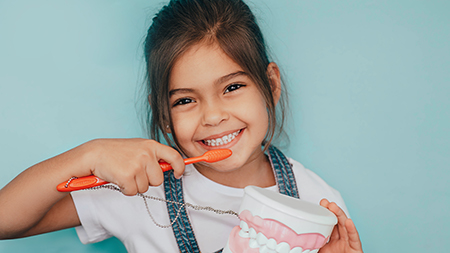
Good dental habits begin at home and are reinforced in the dental office. Early visits let us establish preventive routines, check that development is on track, and help parents learn practical strategies for daily care. Bringing children in for gentle, age-appropriate exams helps normalize dental care and reduces the anxiety that can build when visits are delayed.
We focus on creating positive first experiences. Our team uses child-focused communication, distraction techniques, and a calm environment to make exams and cleanings comfortable. These early partnerships support cavity prevention, healthy habits, and better outcomes as permanent teeth emerge.
Preventive visits also let us identify risk factors — such as frequent exposure to sugary drinks, prolonged bottle use, or persistent thumb-sucking — so we can provide timely guidance. Addressing small concerns early avoids more invasive treatment later and supports overall health and well-being.
During a routine checkup we review your child’s medical history, examine teeth, gums, bite, and oral tissues, and assess growth and jaw development. These visits typically include a gentle cleaning to remove plaque and polish tooth surfaces, plus coaching on brushing and flossing techniques suited to your child’s age and ability.
When necessary, we use digital radiographs to visualize areas that cannot be seen with a clinical exam alone. Modern imaging is quick and precise, helping us detect cavities between teeth, evaluate tooth development, and plan care with minimal exposure.
Every appointment concludes with clear, practical recommendations you can use at home — from when to schedule the next visit to tailored tips for improving oral hygiene and diet. Our goal is to make each visit informative and empowering for families.
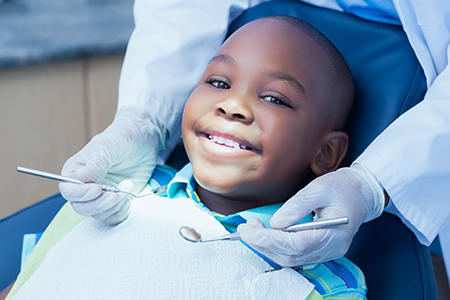
Prevention is the backbone of pediatric dentistry. Fluoride, sealants, consistent brushing and flossing, and smart snack choices work together to protect teeth as they develop. We discuss realistic routines that fit your family’s schedule and preferences so good habits stick.
Dental sealants are a simple, painless protective coating applied to the chewing surfaces of permanent molars. They are highly effective in lowering the risk of decay in children who are still learning to clean those hard-to-reach grooves. Fluoride treatments are another evidence-based tool we use selectively to strengthen enamel and reduce cavity risk.
We also counsel parents on behaviors that affect oral health: limiting sugary beverages, avoiding prolonged bedtime bottle use, and guiding children away from habits that can change tooth alignment. Tailored advice helps families make incremental changes that have a big impact over time.
Active children benefit from protective gear. Well-fitted mouthguards reduce the risk of dental injury during sports and recreational activities. We can recommend and provide options that balance protection, comfort, and durability based on your child’s level of play.
Another common concern is persistent pacifier use or thumb-sucking. While these behaviors are normal in infancy, prolonged habits can influence dental and speech development. We provide practical strategies and timing suggestions to help families wean these habits when appropriate.
When baby teeth are lost prematurely because of decay or injury, space maintainers may be considered to preserve arch alignment until permanent teeth come in. Early intervention can simplify future orthodontic needs and support healthy occlusion.

Parents often ask about the right time for a first dental visit. Professional organizations recommend that a child sees a dentist by the first birthday or when the first tooth appears. Early visits allow us to review feeding habits, demonstrate cleaning techniques, and monitor eruption patterns while addressing parental concerns.
Cleaning an infant’s gums and newly erupted teeth is simple and important. We often recommend a soft cloth or infant brush for the earliest teeth, progressing to a small, soft-bristled toothbrush and a smear of fluoride toothpaste as children grow. Teaching children to brush is a skill that develops over years — parents play a vital role in supervising and assisting.
Teething can be uncomfortable but is usually manageable with safe, practical measures. Cold teething rings, gentle gum massage, and close reassurance help most babies through the process. Of course, if pain or swelling seems excessive, our team is available to assess for other causes and provide guidance.
At-home care is the most powerful influence on your child’s oral health. Model consistent brushing twice daily, limit sugary and sticky snacks, and encourage water as the main beverage. Establishing predictable routines — brushing before bedtime and after breakfast — makes daily care an expected part of the day.
Make brushing engaging rather than a battle: use child-friendly toothbrushes, set a two-minute timer, sing a song, or let your child pick a favorite toothpaste flavor. Positive reinforcement and a calm, steady approach go a long way toward building independence and confidence.
Regular professional care complements these habits. Early detection of small issues prevents larger problems and gives families practical next steps rather than surprises later on.
Children’s faces and jaws change rapidly. Part of pediatric dental care is monitoring that growth and identifying signs that may benefit from early attention. Bite concerns, asymmetry, or persistent oral habits that affect development may prompt a referral to an orthodontic specialist for evaluation at the appropriate time.
Orthodontic assessment is not always immediate treatment — it’s about timing. Many structural issues are easier to address if recognized early, allowing for less invasive interventions or better long-term results. We work with families to determine the right window for any specialist care.
Whenever restorative needs arise — from fillings to extractions — we prioritize approaches that conserve tooth structure, preserve space for permanent teeth, and keep treatment as comfortable as possible. Our emphasis remains on prevention first, and gentle, evidence-based treatment when needed.
Children are active and mishaps happen. Common pediatric dental emergencies include knocked-out or fractured teeth, painful infections, and soft-tissue injuries. Prompt assessment helps determine the best next steps to preserve oral health and reduce discomfort.
When a dental injury occurs it’s helpful to save any tooth fragments and avoid delay in evaluation. For knocked-out permanent teeth, quick action can make a difference; for younger primary teeth, the approach focuses on pain control and infection prevention. Our team is experienced in managing these situations calmly and efficiently.
We also handle urgent concerns such as acute toothaches and swelling by addressing pain, diagnosing the underlying issue, and planning timely care to prevent complications. Our priority is restoring comfort and safeguarding long-term oral health.
Beyond clinical care, pediatric dentistry is about helping children feel confident and in control of their oral health. We teach age-appropriate skills, encourage positive attitudes, and work with parents to reduce dental fear through familiarity, clear expectations, and supportive reinforcement.
In some cases, children with high anxiety or special medical needs may benefit from additional behavior-management strategies. We discuss options openly with families and recommend the safest, most appropriate path to successful treatment for each child.
Our aim is that by the time adolescents leave pediatric-focused care, they possess the habits, knowledge, and trust in dental professionals that will carry them into adulthood with strong oral health and self-confidence.
In summary, pediatric dental care blends prevention, development-focused monitoring, and empathetic clinical care to guide children through every stage of growth. If you’d like to learn more about how we care for children in Houston or discuss your child’s specific needs, please contact us for more information. The office of William L. Krell, DDS, MAGD is here to help your family build healthy, confident smiles.
A pedodontist is a dentist who has received advanced specialty training in meeting the dental needs of children from infancy to adolescence. Pedodontists, also referred to as "pediatric dentists," study child psychology, behavior management, caring for children with special needs, methods of handling oral/facial trauma, and various techniques for providing anesthesia and sedation. Pedodontists also understand the complexities of facial growth and development and have the clinical skills required to meet the dental needs of all children at every stage of development. Most of all, pedodontists are passionate about what they do and enjoy working with children. They strive to make every dental experience a positive one as they help children establish a strong foundation for good oral health.
Even before your child is born, their first set of teeth is already forming. In fact, by one year of age, some of your baby's front teeth will have already come into place. While the arrival of your baby's first teeth is only one of many developmental milestones, it represents an excellent time to begin a program of oral care. According to recommendations from the American Dental Association, babies should see the dentist around the time of their first birthdays.
Your baby's first teeth typically begin to appear in the 6 to 12-month range. While this is an extraordinary milestone, you need to be aware that your baby may find the experience a little bit uncomfortable. Teething can make babies feel irritable. They may be fussy, have trouble sleeping, not want to eat, and drool quite a bit.
Although you are powerless to speed up the process of teething, there are a few things that you can do to soothe your baby as the new teeth are erupting into place. Common approaches to helping your baby feel more comfortable while getting new teeth, include teething rings or a cold spoon or moist gauze rubbed over their gums.
Even for these few new teeth, it's absolutely essential to establish an effective regimen of oral care. For information on when your baby's first set of teeth will erupt into place, consult this timeline from the American Dental Association: Eruption Charts
Some children persist in sucking their thumbs or fingers beyond their preschool years. For these children, the activity continues to be a source of comfort, relaxation, and security. It may even help them fall asleep at night. However, it's essential to be aware that in the long-term, a finger sucking habit is not healthy.
If your child's thumb or finger sucking habit is still present when the permanent teeth begin to come in, your child is at a higher risk of developing a bad bite. By the age of five or six years, you need to constructively and gently help your child stop the habit.
It's also a good idea to have a comprehensive evaluation at this time. Your pedodontist can assess if there are any habit related alterations to the alignment of your child's teeth or jaws, or if it is affecting their speech or swallowing patterns. They can also discuss habit control strategies with you, as well as follow your child's bite and facial development as they grow. If interceptive appliances or corrective orthodontic care are recommended, the timetable and best options in care will be explained in complete detail.
Professional groups recommend a dental visit by the first birthday or when the first tooth appears to establish a positive foundation for oral health. Early visits allow the dentist to review feeding habits, check eruption patterns, and demonstrate gentle cleaning techniques parents can use at home. These appointments focus on prevention, education, and building trust so children feel comfortable in the dental setting.
Starting care early also helps identify risk factors such as frequent sugary drinks, prolonged bottle use, or early signs of decay so families can make practical changes. Regular early appointments normalize dental care and reduce anxiety that can develop if visits are delayed. The office of William L. Krell, DDS, MAGD uses age-appropriate communication and a calm environment to make first visits reassuring for both children and caregivers.
A routine exam includes a review of medical history, an evaluation of teeth, gums, bite, and oral tissues, and assessment of jaw and facial development suited to the child’s age. The visit typically includes a gentle cleaning to remove plaque and polish tooth surfaces, plus coaching on brushing and flossing techniques parents can reinforce at home. When indicated, digital radiographs are used selectively to visualize areas not seen during the clinical exam and to monitor tooth development.
Every appointment concludes with clear, practical recommendations such as the timing of the next visit and tailored advice on oral hygiene and diet. The dentist will discuss any concerns and recommend preventive measures like fluoride or sealants when appropriate. The emphasis is on early detection and minimally invasive care to preserve tooth structure and support healthy development.
Prevention relies on daily home care, healthy dietary habits, and regular professional checkups. Consistent brushing with an age-appropriate toothbrush, supervised flossing as teeth contact each other, limiting sugary and sticky snacks, and making water the primary beverage are central strategies for reducing cavity risk. Fluoride treatments and dental sealants are evidence-based tools that strengthen enamel and protect chewing surfaces when clinically indicated.
Establishing predictable routines such as brushing before bedtime and after breakfast helps make oral care a normal part of the day. Positive reinforcement, fun toothbrushes, and short two-minute timers can make brushing engaging for children and support independence over time. Working closely with your dentist helps tailor prevention plans to your child’s specific risk factors and developmental stage.
Dental x-rays are a valuable diagnostic tool and modern digital radiographs use very low levels of radiation that are considered safe when used appropriately. Pediatric dentists follow conservative guidelines, taking images only when necessary to evaluate cavities between teeth, monitor development, or plan treatment. Protective measures such as lead aprons and fast digital sensors further minimize exposure during imaging.
Decisions about radiographs are made based on the child’s age, clinical findings, and individual risk of disease rather than on a fixed schedule. When x-rays are recommended, the benefits of accurate diagnosis and treatment planning generally outweigh the minimal risk associated with the exposure. Your dentist will explain the reason for any images and address any questions you have about safety.
Preparing children for the dentist involves age-appropriate conversations, a calm attitude from caregivers, and realistic expectations about the visit. Use simple, positive language to describe the appointment, avoid using dental fear words, and role-play brushing and counting teeth to make the experience familiar. Reading a short story about the dentist or letting the child bring a favorite small toy can help reduce anxiety and create a sense of control.
On the day of the visit, arrive on time and keep explanations brief and reassuring; children pick up on adult cues so a confident, relaxed caregiver helps the child feel safe. The dental team often uses child-centered communication and distraction techniques to make exams comfortable and may demonstrate tools on a caregiver or toy first. If your child has strong anxiety or special medical needs, discuss behavior-management options with the office ahead of time so the team can tailor the approach.
Prompt assessment is important when a child experiences a dental injury such as a knocked-out or fractured tooth, persistent bleeding, or significant swelling. Save any tooth fragments in a clean container and seek dental evaluation quickly; for knocked-out permanent teeth, rapid action can improve the chance of successful reattachment. For primary (baby) teeth, the approach focuses on pain control and infection prevention while preserving the underlying permanent tooth.
Contact your dentist promptly for guidance on first-aid steps, appropriate timing for evaluation, and signs that require immediate attention such as uncontrolled bleeding, difficulty breathing, or severe pain. The dental team can assess damage, recommend pain relief strategies, and plan follow-up care to protect long-term oral health. Emergency visits prioritize restoring comfort, preventing infection, and planning any necessary restorative or protective measures.
Thumb-sucking and pacifier use are normal soothing behaviors in infancy, but prolonged habits can influence dental and speech development if they persist beyond early childhood. Most children discontinue these habits on their own by age 3, and intervention is typically recommended if the habit continues as permanent teeth begin to erupt or if it causes noticeable changes in bite or tooth positioning. Early counseling helps families adopt gentle strategies to reduce reliance on these habits at appropriate times.
Behavioral techniques such as positive reinforcement, gradual limits on when the habit is allowed, and offering substitutes for comfort can be effective for many children. In some cases a personalized plan developed with the dentist or pediatric dentist provides timing suggestions and practical tips for weaning. If dental changes are already present, the dentist may discuss monitoring or early orthodontic options to minimize long-term effects.
Fluoride and dental sealants are two preventive measures commonly used in pediatric dentistry to reduce decay risk and protect developing teeth. Topical fluoride treatments help strengthen enamel and are applied selectively based on a child’s individual risk profile, home fluoride exposure, and dietary habits. Dental sealants are thin protective coatings applied to the grooves of permanent molars to block bacteria and food particles from areas that are difficult to clean.
The decision to apply fluoride or sealants is personalized and informed by clinical findings, the child’s age, and cavity risk factors. Your dentist will explain the expected benefits, how each treatment works, and recommended timing so you can make an informed choice for your child. Both interventions are minimally invasive and widely recommended as part of a comprehensive preventive strategy when indicated.
Orthodontic evaluation is a timing decision rather than an immediate treatment plan, and many specialists recommend an assessment by age 7 or when early signs of crowding, crossbite, or asymmetry appear. Early evaluation allows the dental team to monitor growth patterns and identify conditions that may benefit from interceptive treatment to guide jaw development or preserve space. Not every evaluation leads to immediate treatment; it often provides a roadmap for optimal timing and simpler future interventions.
Your pediatric dentist will watch for bite concerns, persistent oral habits that affect alignment, and developmental asymmetries and will refer to an orthodontic specialist when appropriate. Early coordination between the dentist and orthodontist can reduce the need for more complex procedures later and support better long-term outcomes. Families receive guidance on when to proceed and what to expect if treatment is recommended.
Pediatric dental care is adaptable to meet the needs of children who have special medical conditions, sensory sensitivities, or significant dental anxiety, with individualized plans to ensure safe, effective treatment. The team may use extended appointment times, behavior-management techniques, relaxation strategies, or sensory accommodations to help the child succeed. Clear communication with caregivers about medical history, medications, and previous experiences is essential for creating a comfortable, predictable visit.
For children with severe anxiety or complex medical needs, the dentist will discuss all appropriate options, which can include referrals to specialists or consideration of in-office management strategies tailored to the child’s safety and comfort. Collaboration between caregivers, the dental team, and other healthcare providers helps ensure coordinated care that addresses both oral health and overall well-being. The practice prioritizes respectful, compassionate care so children and families feel supported throughout treatment.

Get in touch with us today!