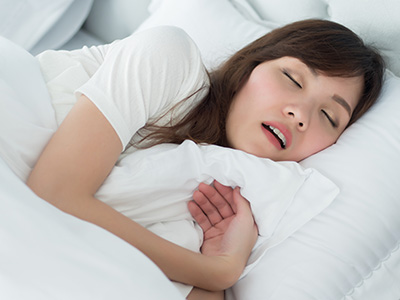
Snoring is more than an annoyance — it's a physical event that happens when airflow through the upper airway causes relaxed tissues in the throat to vibrate during sleep. Almost everyone may snore occasionally, but for some people it becomes a chronic nightly problem that disrupts sleep quality for them and anyone who shares the room. Understanding the mechanics behind snoring is the first step toward finding a practical, comfortable solution.
National estimates suggest tens of millions of adults snore at least some of the time. While many are simple, isolated snorers, a portion of those people may be experiencing a form of sleep-disordered breathing. That distinction matters because treatment options and medical follow-up differ when snoring is accompanied by interrupted breathing or daytime symptoms such as excessive sleepiness, morning headaches, or concentration problems.
Snoring arises when upper-airway structures — the soft palate, uvula, tongue base, and throat walls — collapse partially during sleep and narrow the passage where air travels. As air moves past these floppy tissues, they vibrate and create sound. Variations in anatomy (a long soft palate, large tonsils, or a recessed jaw) make some people more prone to loud or persistent snoring.
Other contributors are equally common and often modifiable. Nasal obstruction from allergies or a deviated septum forces breathing through the mouth, which can increase vibration at the back of the throat. Alcohol, certain medications, and poor sleep habits relax throat muscles and raise the likelihood of snoring. Even sleep position makes a difference: lying on the back encourages the tongue and soft tissues to fall backward and narrow the airway.
Because multiple factors typically interact, an effective approach targets the ones that are driving the problem for each individual. Lifestyle changes, nasal treatments, positional strategies, and oral appliances can each have a role — sometimes used alone and sometimes in combination — based on the pattern and severity of snoring.
Not all snoring needs advanced intervention, but some signs suggest a need for a deeper medical assessment. Loud, frequent snoring accompanied by gasping, choking, witnessed pauses in breathing, or persistent daytime sleepiness may indicate obstructive sleep apnea (OSA), a condition that carries health risks if left untreated. A careful history and, when indicated, a sleep study are the standard ways to distinguish simple snoring from sleep-disordered breathing.
Even in the absence of apnea, snoring can affect a person's sleep continuity and daytime functioning. If snoring disrupts a partner’s sleep, contributes to poor daytime energy, or coexists with other breathing complaints, discussing evaluation options with a clinician is sensible. Collaboration between dental and medical providers helps ensure snoring is managed safely and effectively.
If sleep apnea is suspected, oral appliances are usually considered when a medical provider confirms that it is safe and appropriate. For patients whose breathing is not significantly obstructed, appliances designed for snoring alone can be a conservative, non-surgical option that reduces vibration by addressing jaw and tongue position.
Custom oral appliances, sometimes called mandibular advancement devices, are wearable, removable appliances made to fit the teeth and jaws. They are designed to gently reposition the lower jaw forward and, in some designs, stabilize the tongue. By creating more space in the upper airway, these devices reduce tissue vibration and improve airflow during sleep, which lowers the intensity and frequency of snoring.
Unlike bulky over-the-counter devices, a custom-fabricated appliance is made from impressions or digital scans of the patient’s mouth, so it fits precisely and feels more comfortable during sleep. The snug fit also helps maintain dental alignment and reduces the chance of shifting during the night. Precision fabrication and careful adjustment are key to both effectiveness and long-term comfort.
Because oral appliances are removable and non-invasive, many people prefer them to continuous positive airway pressure (CPAP) therapy when CPAP is not necessary or is poorly tolerated. Appliances can be an excellent option for primary snorers and for some patients with mild sleep-disordered breathing, always under the guidance of a qualified clinician.
A thoughtful pathway begins with a clinical evaluation that reviews sleep history, medical background, and oral health. The clinician will look for dental or jaw issues that affect appliance candidacy, such as unstable teeth, significant periodontal disease, or limited jaw movement. If signs point toward sleep apnea, the patient might be referred for a sleep study before an appliance is recommended.
When an oral appliance is appropriate, the process typically includes detailed impressions or digital scans, design selection based on the patient’s anatomy and needs, and careful lab fabrication. At the fitting appointment, the device is evaluated for comfort, fit, and initial effectiveness. The jaw is advanced to a clinically determined position that balances airway improvement with jaw comfort.
Follow-up visits are essential. Minor adjustments are common in the first weeks as the clinician fine-tunes the fit and advancement to maximize benefit while minimizing jaw or bite changes. Periodic reviews ensure the appliance remains effective over time and allow for monitoring of dental health and sleep symptoms.
Most patients adapt quickly to an oral appliance, but a short adjustment period is normal. Mild side effects such as transient jaw soreness, increased salivation, or minor tooth tenderness can occur initially and usually resolve or improve with gradual use and adjustments. Clear communication with the clinician makes it easier to address these issues before they become bothersome.
Caring for an appliance is straightforward: daily cleaning with a soft brush and nonabrasive cleanser, overnight air drying, and storing the device in a protective case help preserve hygiene and fit. Regular dental checkups provide an opportunity to inspect the appliance, monitor teeth and gums, and address any bite changes that may develop with long-term use.
Success with an appliance is measured by reduced snoring, better sleep continuity, and improved daytime alertness. For many people, a well-made, professionally fitted device provides quiet, restorative sleep without surgery or nightly machine use. The best outcomes come from individualized care plans, timely adjustments, and coordination between dental and medical providers when needed.
At the office of William L. Krell, DDS, MAGD, we focus on a patient-centered approach to snoring management that emphasizes comfort, safety, and measurable results. If you have questions about whether a custom oral appliance could help you or a loved one sleep more quietly, please contact us for more information and to discuss next steps.
Snoring happens when soft tissues in the upper airway vibrate as air moves past them during sleep, often because the airway narrows or collapses. Factors such as a recessed jaw, large tonsils, a long soft palate, nasal obstruction, alcohol, and sleeping position can increase tissue vibration and the loudness of snoring. Understanding which anatomical or lifestyle factors are driving a person’s snoring is the first step toward effective treatment.
Custom oral appliances work by repositioning the lower jaw and sometimes stabilizing the tongue to enlarge the airway and reduce tissue vibration. By improving airflow and reducing collapse in the back of the throat, these devices lower the intensity and frequency of snoring for many patients. Because they are removable and noninvasive, oral appliances are often a preferred conservative option when CPAP is not required or not tolerated.
Good candidates for a snoring appliance are people who snore regularly without signs of moderate or severe obstructive sleep apnea, and who have sufficient teeth and jaw mobility to retain a device. Patients with uncontrolled periodontal disease, very loose teeth, or severely limited jaw movement may need dental treatment or an alternative approach before an appliance is considered. A medical history and sleep evaluation help determine whether dental therapy is appropriate or if further testing is needed.
When symptoms such as witnessed pauses in breathing, excessive daytime sleepiness, or morning headaches are present, a sleep study is commonly recommended to rule out or quantify sleep apnea. For patients with mild sleep-disordered breathing or primary snoring, a custom-fitted oral appliance can be an effective and conservative therapy. Collaboration with a sleep medicine physician ensures the chosen strategy is safe and aligned with overall health needs.
The evaluation begins with a thorough review of sleep history, medical background, and dental health to identify any factors that affect appliance candidacy. The clinician examines the teeth, gums, jaw range of motion, and occlusion, and may request or review a sleep study when sleep apnea is suspected. When an oral appliance is appropriate, impressions or digital scans are taken to capture precise dental anatomy for custom fabrication.
Fabrication is followed by a fitting appointment where the device is assessed for comfort, retention, and initial effectiveness, and the jaw is advanced to a position that balances airway benefit with musculoskeletal comfort. Minor adjustments are common during the first few weeks as the clinician fine-tunes advancement and fit. Ongoing follow-up visits monitor symptom improvement, dental health, and any bite or jaw changes over time.
Oral appliances for snoring generally fall into two main categories: mandibular advancement devices that gently move the lower jaw forward, and tongue-stabilizing devices that hold the tongue in a forward position. Mandibular advancement devices are the most commonly used and are available in a variety of designs, including single-piece boil-and-bite options and custom two-piece devices that allow controlled adjustment. Custom devices made from impressions or digital scans provide superior fit, comfort, and stability compared with off-the-shelf alternatives.
Device selection depends on the patient’s anatomy, dental condition, and treatment goals, and the clinician will recommend an option that optimizes airway improvement while minimizing side effects. Adjustable designs allow gradual titration of jaw advancement to find the most effective and comfortable position. The chosen device should be followed by a structured adjustment and follow-up plan to confirm benefit and address any concerns.
Many patients notice a reduction in snoring within a few nights to a couple of weeks after beginning consistent use of a properly fitted appliance. Initial improvements may continue to increase as minor adjustments are made and the jaw muscles adapt to the new position. Because individual response varies, clinicians typically schedule follow-up visits to document symptom change and make incremental adjustments.
Objective improvement can be assessed by reduced partner reports of loudness and by improvements in sleep quality or daytime alertness. In cases where sleep apnea is present, objective testing or coordination with a sleep specialist may be needed to ensure the appliance provides adequate support. Long-term success depends on adherence, periodic device maintenance, and routine dental monitoring.
Mild, transient side effects are common as patients adapt to an oral appliance and can include jaw soreness, tooth sensitivity, and increased salivation during the initial weeks of use. These symptoms usually resolve or improve with gradual wear and small adjustments to the device, and the clinician will work with the patient to manage discomfort. More persistent problems, such as bite changes or chronic jaw pain, are uncommon but require prompt evaluation and modification of the appliance.
Regular dental visits allow monitoring for dental movement, periodontal health, and temporomandibular joint function so that any developing issues are identified early. Device breakage or loosening can also occur, which is why proper fabrication, patient education, and routine follow-up are important. When used under professional supervision, the benefits of reduced snoring often outweigh these manageable risks for appropriate candidates.
Daily cleaning with a soft toothbrush and a gentle, nonabrasive cleanser helps remove bacteria and debris and preserves the fit of the appliance. After cleaning, rinse the device thoroughly, allow it to air dry, and store it in its protective case to prevent distortion and contamination. Avoid hot water, abrasive pastes, or household cleaners that can damage the material or alter the appliance’s shape.
In addition to daily care, bring the appliance to regular dental appointments for inspection and professional cleaning when indicated. Over time the device may require adjustments, relining, or replacement to maintain comfort and effectiveness. Proper hygiene and routine monitoring help extend the life of the appliance and protect oral health.
Oral appliances can be an effective treatment for mild to moderate obstructive sleep apnea (OSA) in selected patients, particularly those who cannot tolerate CPAP therapy. These devices improve airway patency by advancing the lower jaw, which can reduce the number of apneic events and improve oxygenation during sleep. However, their effectiveness varies by severity of OSA, anatomy, and patient adherence, so appropriate case selection and follow-up testing are essential.
For patients with moderate to severe OSA, CPAP remains the gold standard therapy, and oral appliances are considered when CPAP is declined or poorly tolerated and when a sleep specialist deems them appropriate. Collaboration between dental and medical teams, and objective follow-up such as a sleep study, help ensure the chosen therapy adequately addresses the respiratory disturbance. Safety and effectiveness should be reassessed periodically to confirm ongoing benefit.
Long-term use of a mandibular advancement device can sometimes produce small changes in tooth position or occlusion, particularly when the appliance is worn many hours each night for years. These changes are typically gradual and often clinically minor, but they can be more pronounced in patients with preexisting dental movement or periodontal disease. Regular dental examinations and monitoring help identify early signs of bite alteration so adjustments can be made before significant changes occur.
Clinicians aim to minimize long-term dental effects by selecting an appropriate device, limiting unnecessary advancement, and scheduling routine follow-up. If bite changes occur, several strategies exist to manage or mitigate their progression, including appliance modification or alternate therapies. Informed consent and ongoing communication are important so patients understand potential risks and the monitoring plan.
Effective management of snoring and sleep-disordered breathing often requires collaboration between dentists, sleep medicine physicians, and primary care providers to ensure a coordinated, safe plan. Medical providers assess for comorbid conditions, determine when diagnostic sleep testing is needed, and guide treatment for sleep apnea, while dental clinicians focus on appliance selection, fitting, and oral health monitoring. Clear communication and shared documentation help match the right therapy to the patient’s clinical status.
At the office of William L. Krell, DDS, MAGD, coordination with a patient’s medical team is part of the standard approach when sleep-disordered breathing is suspected or when an appliance is prescribed. This collaborative model promotes comprehensive care, ensures appropriate follow-up testing, and helps optimize both respiratory and dental outcomes. Patients benefit from an integrated plan that addresses both airway function and oral health.

Get in touch with us today!