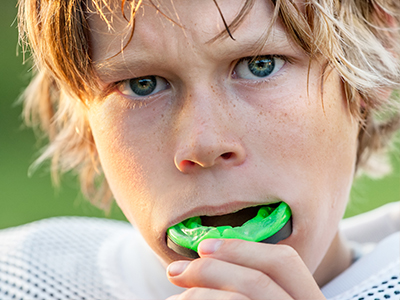
Sports-related blows to the face and mouth are a frequent source of dental injury, and the consequences can be immediate and long-lasting. A single impact can crack or dislodge a tooth, lacerate soft tissues, or cause jaw and joint trauma that requires complex treatment. Beyond the immediate damage, these injuries can lead to pain, lost playing time, and extensive restorative work. A properly fitted mouthguard is a simple, proven barrier that reduces the force of an impact and lowers the likelihood of severe oral injury.
For athletes at every level—from youth leagues to adult recreational play—preventive protection makes sense. Mouthguards distribute and absorb shock, helping to keep teeth in place and cushioning the soft tissues of the lips, cheeks, and tongue. In contact and collision sports, as well as activities where projectiles or hard surfaces are present, the cumulative risk of injury increases; wearing a mouthguard consistently is one of the most effective steps a player can take to safeguard oral health.
When discussing protection, it’s important to consider performance and comfort alongside safety. A device that interferes with breathing or speech will not be worn reliably. Modern mouthguard options strike a balance between stability, impact absorption, and comfort so that athletes can focus on the game rather than on their appliance. Understanding the available options and how they fit with an individual athlete’s needs is the first step toward a safer season.
Not all mouthguards are created equal. Off-the-shelf stock guards are the most accessible and least expensive option; they are pre-formed and ready to wear but often sit bulky and loose in the mouth. Because they cannot be molded to an individual’s dentition, stock guards may offer uneven protection and can make breathing or speaking more difficult. They are sometimes better than no protection at all, but they come with trade-offs in fit and comfort.
Boil-and-bite guards provide a middle ground: made from thermoplastic material that softens in hot water, they can be adapted by the wearer to approximate a personal fit. Many players prefer them for the improved stability compared with stock models. However, the quality of the fit depends on the user’s technique at molding and on the original design of the guard. For athletes with orthodontic appliances or unusual tooth anatomy, boil-and-bite solutions may still fall short of ideal protection.
Custom mouthguards, fabricated from impressions or intraoral scans by a dental professional, deliver the most precise fit and predictable protection. Constructed from durable laboratory materials and tailored to an individual’s bite and facial profile, they offer a balance of comfort, retention, and shock absorption that over-the-counter products cannot match. For athletes who need reliable, long-term protection—particularly those in high-contact sports or those with dental restorations—custom guards are the preferred choice.
The custom-fabrication process begins with an accurate record of the patient’s teeth and occlusion. In the dental office, this can be done with traditional impressions or with a digital scan, which captures detailed contours without the discomfort of impression material. These records allow the dental laboratory to create a device that aligns precisely with the teeth and jaw, ensuring secure retention and minimizing movement during play.
Materials used in custom mouthguards are selected for durability and energy dispersion. Laboratory technicians layer and shape thermoplastic or multilametric materials to create a shell that absorbs and redirects impact forces away from vulnerable structures. Because the fit is intimate and designed to match the athlete’s mouth, a custom guard stays in place more reliably and reduces the risk of secondary injury from a loose appliance.
Comfort is a critical outcome of the fabrication process. A well-made custom mouthguard should permit normal speech and breathing, which encourages consistent use. It can also be tailored to accommodate braces, implants, or other dental work—features that off-the-shelf options cannot reliably address. For younger athletes, a custom design can include allowances for growth and can be adjusted or remade as the dentition changes.
Patients appreciate that custom guards are serviceable over time: with routine inspections at regular dental visits, small adjustments can be made to preserve fit and function. When replacement becomes necessary—due to wear, changes in dentition, or new orthodontic appliances—a dentist can coordinate the update to maintain continuous protection.
Athletes with braces or other orthodontic hardware face unique risks. Brackets and wires present additional surfaces that can cut soft tissue during impact, and a standard mouthguard may not provide adequate protection without modification. Custom mouthguards can be designed with extra thickness and coverage where needed to shield both the teeth and the orthodontic components, reducing the chance of oral lacerations and appliance damage.
For children and adolescents, fit and durability are especially important because mouths change rapidly during growth. A mouthguard for a young athlete should be comfortable enough to wear regularly and constructed so it can be adjusted or replaced as the jaw and teeth develop. Parents should also look for guards that are easy to clean and store to reduce the risk of contamination between uses.
Different sports present different patterns of impact. Full-contact sports like football and hockey often require guards with robust shock attenuation, while sports such as basketball, soccer, or gymnastics may prioritize low-profile designs that do not impede performance. Some athletes benefit from sport-specific features—additional posterior coverage for certain positions, or reduced bulk for activities demanding maximum airflow. Discussing the demands of the sport with the dental team helps ensure the chosen design aligns with real-world play.
Routine care extends the life and effectiveness of any mouthguard. After each use, rinse the appliance with cool water and allow it to air-dry in a ventilated container to minimize bacterial growth. Periodic cleaning with a soft brush and mild soap, or an antimicrobial denture cleanser, helps keep the guard sanitary. Avoid hot water or direct sunlight, which can warp thermoplastic materials and compromise fit.
Regular inspection by the athlete and during dental visits helps identify wear, cracking, or distortion that can reduce protection. Visible damage, persistent looseness, or discomfort are signals that replacement is necessary. Children and adolescents may need new guards more often due to growth, and athletes who sustain significant impacts should have their appliance evaluated even if no obvious damage is visible.
When it’s time to get fitted, an appointment at a dental practice ensures the device is made to contemporary standards. In our Houston office, patients receive guidance on selection, fitting, and care, and clinicians can recommend the most appropriate materials and design for the athlete’s age, sport, and dental status. A properly fitted mouthguard is an investment in athlete safety that pays dividends in reduced injury risk and increased confidence on the field.
Summary — A thoughtfully chosen and properly fitted mouthguard is one of the simplest and most effective tools for preventing sports-related dental injuries. Whether choosing a ready-made solution or, for the greatest protection, a custom appliance made through the office of William L. Krell, DDS, MAGD, the key priorities are fit, comfort, and consistent use. If you’d like to learn more about mouthguard options and how we can help protect you or your athlete, please contact us for additional information.
There are three common categories of mouthguards: stock, boil-and-bite, and custom-fabricated devices. Stock mouthguards are pre-formed and ready to wear but often fit poorly and can interfere with speech and breathing. Boil-and-bite guards use thermoplastic material that softens in hot water so the wearer can mold the appliance for a closer fit, though fit quality depends on technique and the original design.
Custom mouthguards are made from impressions or digital scans and are fabricated in a dental laboratory to match an athlete’s bite and facial contours. These devices typically offer superior retention, comfort, and shock absorption compared with over-the-counter options. Choosing the right category depends on the sport, the athlete’s dental anatomy, and any existing restorations or orthodontic appliances.
Custom mouthguards provide a precise fit that reduces movement during play and improves protection for teeth, soft tissues, and jaw structures. Because they are made from accurate impressions or scans, custom devices distribute impact forces more predictably and reduce the chance of secondary injuries caused by a loose appliance. Comfort and retention are also improved, which increases the likelihood that athletes will wear the guard consistently.
Custom guards can be tailored to accommodate braces, implants, crowns, and other dental work, which off-the-shelf products may not safely protect. They are fabricated from durable laboratory materials designed for energy dispersion and long-term use. For athletes in high-contact sports or those with restorative dentistry, a custom appliance is often the best choice for reliable protection.
The process begins with a detailed record of the athlete’s teeth and bite using dental impressions or a digital intraoral scan. These records are sent to a dental laboratory where technicians layer and shape materials to create a device that matches the oral anatomy and intended coverage. The dentist checks fit and retention at a follow-up visit and makes minor adjustments to ensure the guard permits normal breathing and speech.
Material selection and lab technique influence thickness, flexibility, and shock-absorbing properties, so the laboratory work is an important part of performance. For younger athletes, the design can include provisions for growth or be remade as dentition changes. Routine follow-up allows the dental team to maintain fit and recommend replacement when wear or anatomical changes occur.
Mouthguards are primarily designed to protect teeth, soft tissues, and the jaw from direct trauma, and they do reduce force transmission to oral structures. Evidence about mouthguards preventing concussions is mixed; some studies suggest properly fitted devices can help dissipate forces, while other research shows little direct effect on brain movement from impacts. A well-designed mouthguard may contribute to overall risk reduction as part of a comprehensive safety strategy.
Because concussions involve complex head and brain biomechanics, protective strategies should include proper coaching, rule compliance, appropriate helmets, and safe play techniques in addition to mouthguard use. Athletes and parents should view mouthguards as one important layer of protection rather than a sole safeguard against head injury. Discussing sport-specific risk factors with a dental or medical professional helps set realistic expectations for what a mouthguard can accomplish.
Rinse the mouthguard under cool running water immediately after each use and allow it to air-dry in a ventilated container to reduce bacterial growth. Periodically clean the device with a soft brush and mild soap or an antimicrobial denture cleanser, avoiding abrasive cleaners and hot water that can warp the material. Store the appliance in its ventilated case and keep it away from direct sunlight, heat sources, and pets that may chew on it.
Inspect the mouthguard regularly for signs of wear, distortion, or odor that indicate more thorough cleaning or replacement is needed. For athletes who are ill, it is prudent to clean the device more frequently and avoid sharing mouthguards. Bringing the guard to dental visits allows the clinician to evaluate fit and hygiene as part of routine care.
Replacement frequency depends on the type of guard, the athlete’s growth and dental changes, and the level of wear the appliance experiences. Over-the-counter guards may lose shape more quickly, while custom guards generally last longer but still require periodic inspection for cracks, thinning, or distortion. Children and adolescents often need new guards more frequently as teeth erupt and jaws grow.
Athletes should replace a mouthguard after significant impacts even if no visible damage is present, because internal material compromise can occur. Regular checks at dental appointments let your clinician make timely adjustments or recommend replacement to maintain optimal protection. Promptly addressing any looseness or discomfort will help ensure consistent use and reliable performance.
Athletes with braces, brackets, or exposed restorative work are at higher risk for soft-tissue injuries and appliance damage during impact, so specialized protection is important. Custom mouthguards can be designed with additional thickness and strategic coverage to shield orthodontic hardware and minimize the chance of lacerations to the lips and cheeks. For certain restorations, a tailored design helps prevent concentrated forces from compromising crowns, implants, or bonded restorations.
The dental team evaluates the specific orthodontic or restorative situation and recommends materials and coverage that balance protection with comfort and speech. In many cases, a custom guard provides the only reliable option to protect both the appliance and the surrounding soft tissue. Discussing the athlete’s current dental work with the clinician ensures the chosen mouthguard addresses those unique needs at the time of fitting.
Properly fitted mouthguards are designed to permit normal breathing and speech so athletes can perform without distraction. Bulkier stock or poorly fitted boil-and-bite guards are more likely to interfere with airflow and verbal communication, which can discourage consistent use. Custom devices, by contrast, are contoured to the mouth and offer better retention and lower profile, reducing interference with performance.
Coaches and athletes should select a design that matches the sport’s demands—some positions or activities benefit from lower-profile guards that prioritize airflow, while other roles require maximum cushioning. Practicing with the mouthguard in place during training helps the athlete adjust quickly and confirms that it does not impede essential functions. If breathing or speech remains problematic, the dental team can make adjustments to improve comfort.
Parents should prioritize fit, retention, and ease of cleaning when selecting a mouthguard for a growing athlete. Comfort and breathability are crucial to ensure the child wears the appliance consistently, and materials that withstand repeated use and cleaning will perform better over a season. For younger athletes undergoing dental development or orthodontic care, a custom or easily replaceable option allows for timely updates as teeth change.
It is also important to teach proper hygiene and storage habits so the guard remains sanitary between uses, and to inspect the appliance regularly for signs of wear or poor fit. Discussing sport-specific needs with a dental professional helps match the guard’s design to the activity and the athlete’s anatomy. When parents have questions about growth allowances or replacement timing, the dental team can provide guidance based on the child’s development and playing schedule.
Patients interested in a custom-fabricated mouthguard can request an assessment at our Houston office, where the clinician will review the athlete’s dental history, current restorations, and sport-specific needs. The appointment typically includes impressions or a digital scan, a discussion of design options, and brief instruction on care and break-in procedures to ensure reliable use. The dentist will factor in orthodontic appliances, growth considerations, and the athlete’s breathing and speech requirements when specifying the laboratory design.
Once the laboratory device is ready, the athlete returns for a fitting visit so the clinician can verify retention, comfort, and function and make any necessary adjustments. Periodic follow-up during the season helps maintain fit and address wear or changes in dentition. The office of William L. Krell, DDS, MAGD provides guidance on selecting the most appropriate materials and coverage for each athlete’s situation.

Get in touch with us today!